
Ultimate Guide to Apple Tree Companion Planting

Key Highlights
- Companion planting with apple trees can benefit pollinators, repel pests, improve health, and provide visual appeal.
- Some key companion plants for apple trees include wildflowers, nasturtium, lavender, rosemary, comfrey, and clover.
- These companion plants attract beneficial insects, fix nitrogen in the soil, suppress weeds, provide mulch, and enhance the overall health and productivity of the apple tree.
- By incorporating a diverse range of companion plants, apple tree growers can create a balanced and thriving ecosystem in their orchards.
- Understanding the benefits and principles of companion planting is essential for successful apple tree cultivation.
Introduction
Companion planting for apple trees involves strategically cultivating plants near apple trees to maximize growth and health. Understanding the benefits of companion planting, such as attracting pollinators and repelling pests, is crucial. By following key principles like creating a fruit tree guild with flowering plants and herbs, you can create a thriving ecosystem around your apple tree. Essential companions like nitrogen-fixing plants and ground cover crops play vital roles in enhancing soil health and moisture retention. Avoiding unfriendly neighbors and considering allelopathy are also essential aspects to ensure the success of your apple tree companions. Implementing spatial planning and seasonal considerations will further optimize the effectiveness of your planting strategy for apple trees. Stay tuned to discover the array of benefits and strategies for successful apple tree companion planting.
Understanding Companion Planting for Apple Trees
Companion planting for apple trees involves strategically growing plants together to enhance the overall health and productivity of the orchard. By interplanting specific companions, you can create a symbiotic environment that supports the growth of apple trees. Understanding the symbiotic relationships between plants is crucial in companion planting, as certain plants attract beneficial insects like pollinators while repelling pests that could harm the fruit production. Implementing a diverse range of companions not only enriches the soil with essential nutrients such as nitrogen but also helps in maintaining moisture levels and soil structure through the use of ground cover crops. This method promotes a balanced ecosystem within the orchard, fostering healthy growth and reducing the reliance on external inputs like fertilizers.
The Benefits of Companion Planting
Companion planting for apple trees brings numerous advantages. By strategically placing beneficial plants near apple trees, you can attract pollinators like bees and butterflies, enhancing fruit production. Additionally, certain companion plants act as natural pest deterrents, reducing the need for chemical interventions. The inclusion of nitrogen-fixing plants in your fruit tree guild improves soil health by providing essential nutrients, promoting overall tree growth. Moreover, ground cover crops help conserve moisture, prevent erosion, and maintain soil structure, creating a more favorable environment for apple trees to thrive. Implementing companion planting not only fosters a harmonious ecosystem but also minimizes the reliance on artificial fertilizers, benefiting the orchard and the surrounding biodiversity.
Key Principles of Creating a Fruit Tree Guild
When establishing a fruit tree guild, key principles revolve around diversity and mutual benefit. Ensure a mix of plants that assist apple trees by attracting pollinators, repelling pests, and enhancing soil health. Choose companions like yarrow to attract beneficial insects or lavender and fennel to deter pests naturally. Incorporate nitrogen-fixing plants such as peas for soil enrichment. Ground cover crops like clover help maintain moisture and improve soil structure around the apple tree. Additionally, consider plants like chamomile or mint that provide ground cover, conserve moisture, and support the overall guild dynamics. By strategically combining these elements, a fruit tree guild not only aids in fruit production but also promotes a balanced ecosystem within a garden or orchard setting.
Essential Companions for Apple Trees
Flowering plants like yarrow and lavender are essential companions for apple trees, attracting beneficial insects for pollination. Herbs such as fennel and dill act as natural pest deterrents, safeguarding apple trees from aphids and moths. These good companions not only enhance fruit production but also support the overall health of the orchard. Additionally, incorporating nitrogen-fixing legumes like peas improves soil fertility, vital for apple tree growth. Ground cover crops such as clover help retain moisture and prevent soil erosion, creating a conducive environment for apple trees to thrive. By strategically selecting these beneficial companions, gardeners can establish a robust fruit tree guild that promotes biodiversity and sustains a balanced ecosystem around the apple trees.
Flowering Plants to Attract Pollinators
Apple trees can greatly benefit from flowering plants that attract pollinators. Planting nectar-rich flowers like lavender, yarrow, and bee balm near apple trees can encourage beneficial insects like honey bees and wasps to visit your orchard. These pollinators play a crucial role in ensuring successful pollination, leading to better fruit production. Additionally, including flowering herbs such as chamomile and mint can attract pollinators while also serving as natural pest repellents. By creating a diverse ecosystem with a variety of blooming plants, you can support healthy pollination cycles in your garden while enhancing the beauty of your apple tree guild. Remember to consider the bloom times of these flowers to ensure a continuous supply of nectar throughout the growing season.
Herbs That Repel Pests Naturally
Dill, mint, and chives are powerful allies for apple trees, naturally warding off unwanted pests. Planting mint around apple trees can deter ants and aphids, while dill attracts beneficial insects that prey on pest larvae. Chives act as a natural insect repellent, protecting against aphids and apple scab. These herbs not only enhance the flavor of your garden but also contribute to its overall health by minimizing the need for chemical pesticides. By incorporating these pest-repelling herbs into your companion planting strategy, you create a harmonious and sustainable environment for your apple trees, promoting a thriving orchard while reducing the risk of infestations. Embrace the natural defenses provided by these herbs to keep your apple trees healthy and pest-free.
Maximizing Growth: Supportive Vegetables and Legumes
Legumes, such as peas and beans, are excellent companion plants for apple trees due to their ability to fix nitrogen in the soil. Nitrogen is a crucial nutrient for plant growth, and legumes have the unique ability to convert atmospheric nitrogen into a form that can be easily absorbed by plants. By interplanting legumes with your apple tree, you can provide a natural source of nitrogen, promoting healthy growth and maximizing fruit production. Additionally, legumes can serve as a cover crop, protecting the soil from erosion and suppressing weed growth. When choosing legumes as companion plants, opt for varieties that are compatible with your apple tree's growth requirements and can thrive in the same environmental conditions.
Nitrogen-Fixing Plants for Soil Health
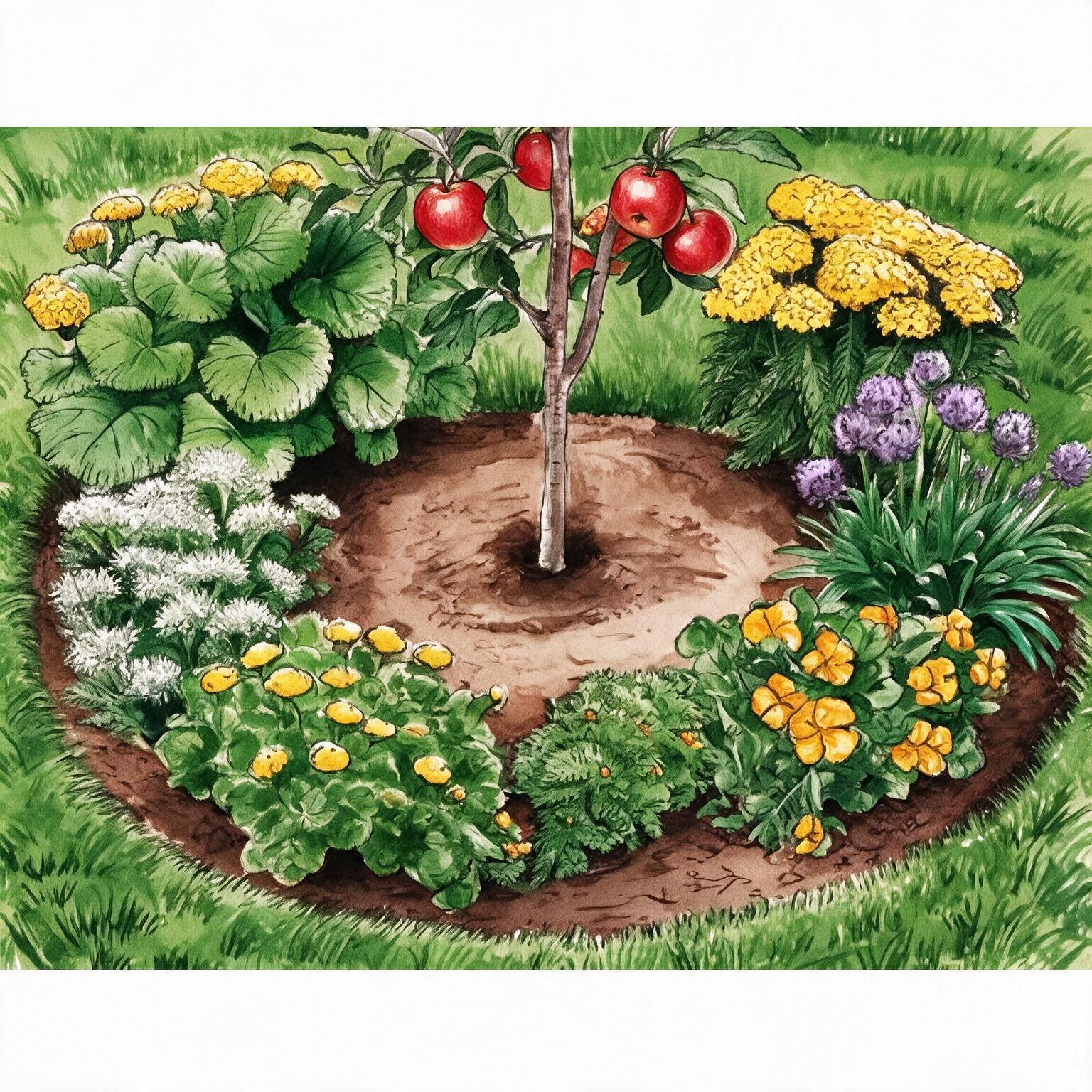
Nitrogen-fixing plants play a crucial role in improving soil health and providing essential nutrients for apple trees. Clover, an excellent nitrogen-fixing plant, can be planted as a companion to apple trees to enhance soil fertility. Clover's ability to convert atmospheric nitrogen into a form that can be readily used by plants helps replenish nitrogen levels in the soil, promoting healthy growth and fruit production. Another nitrogen-fixing plant that pairs well with apple trees is peas. Peas not only fix nitrogen but also provide vertical support for the apple tree, acting as a natural trellis. By incorporating these nitrogen-fixing plants into your apple tree guild, you can create a self-sustaining ecosystem that promotes soil health and maximizes the growth of your apple tree.
Ground Cover Crops to Maintain Moisture and Soil Structure
Ground cover crops are an important component of apple tree companion planting as they help maintain moisture and improve soil structure. Clover, a popular ground cover crop, creates a dense mat of foliage that shades the soil, reducing evaporation and preventing weed growth. Its extensive root system also helps in improving soil structure by loosening compacted soil and promoting better water penetration. Another effective ground cover crop is dandelion, which not only provides ground cover but also accumulates important nutrients in its leaves, making it an excellent source of organic matter for mulching. By incorporating these ground cover crops into your apple tree guild, you can conserve moisture, prevent soil erosion, and create a favorable environment for root development.
Text table:
Avoiding Unfriendly Neighbors
When planning your apple tree guild, it is important to be aware of unfriendly neighbors. Some plants have allelopathic properties, which means they release chemicals that can inhibit the growth of neighboring plants. To avoid allelopathy and ensure the success of your apple tree guild, it is best to avoid planting certain plants in close proximity to your apple tree. By selecting compatible companion plants, you can create a harmonious and beneficial ecosystem that promotes the health and productivity of your apple tree.
What Not to Plant Near Apple Trees
In your apple tree guild, avoid planting species like walnuts, which produce juglone, harming apple trees. Additionally, keep raspberries away to prevent the spread of disease. Steer clear of planting potatoes near apple trees to prevent competition for nutrients and to avoid diseases common to both plants. While it may be tempting to place corn near apple trees, corn requires high nitrogen levels that can hinder fruit production in apple trees. Avoid planting members of the Rosaceae family, such as cherries and plums, due to shared susceptibility to pests and diseases. By being mindful of these plant selections, you can create a harmonious and thriving ecosystem for your apple trees.
Understanding Allelopathy in Plants
Allelopathy refers to the ability of certain plants to release chemicals that inhibit the growth of neighboring plants. This can have both positive and negative effects on plant growth. In the context of apple tree companion planting, it is important to understand the allelopathic properties of different plants to ensure compatibility and avoid any negative interactions. Some plants, such as clover and comfrey, have allelopathic properties that can benefit apple trees by suppressing weed growth and improving soil fertility. On the other hand, plants like walnut trees release allelopathic compounds that can negatively impact the growth and health of nearby plants, including apple trees. By selecting companion plants that are known to be good companions for apple trees and avoiding those with allelopathic properties, you can create a successful and harmonious apple tree guild.
Implementing Companion Planting Strategies
Implementing companion planting strategies requires careful planning and consideration of various factors. Creating a guild of companion plants around your apple tree involves selecting compatible plants based on their growth habits, sunlight requirements, and nutrient needs. By designing a well-thought-out guild, you can create a self-sustaining ecosystem that supports the growth and productivity of your apple tree. Additionally, spatial planning is crucial to ensure that companion plants are strategically placed to maximize their benefits and minimize competition. By following the principles of companion planting, you can create a thriving orchard that is not only aesthetically pleasing but also beneficial for the health of your apple tree.
Spatial Planning for Companion Planting
Spatial planning is an important aspect of companion planting for apple trees. When designing your apple tree guild, it is important to consider the spatial requirements of each companion plant. The drip line, which is the area beneath the outermost branches of the apple tree, is an ideal location to plant companion plants. This ensures that the companion plants receive adequate sunlight and water while avoiding competition with the apple tree's roots. Some companion plants prefer full sun, while others thrive in partial shade. By strategically placing plants with similar sunlight requirements, you can create a balanced and harmonious guild that maximizes the benefits for your apple tree. Remember to leave enough space between plants to allow for their mature growth and to ensure optimal air circulation and sunlight exposure.
Seasonal Considerations for Planting and Harvesting
When planning your apple tree companion planting, it's important to consider the seasonal aspects of planting and harvesting. Different companion plants have different growing seasons and flowering periods, which can impact their effectiveness in providing the desired benefits to the apple tree.
For example, selecting companion plants that bloom at the same time as the apple tree's blossoms can help attract pollinators and enhance the pollination process. This, in turn, leads to better fruit set and a more abundant harvest.
Additionally, consider the growth habits and space requirements of each companion plant. Some plants may grow tall and shade the apple tree, while others may spread and compete for nutrients and water. Careful planning and spacing can help ensure that each companion plant thrives without negatively impacting the apple tree.
Conclusion
In conclusion, companion planting for apple trees offers a sustainable and natural approach to enhance growth and productivity. By strategically selecting plants that benefit each other, you can create a thriving ecosystem in your garden. Understanding the principles of fruit tree guilds and choosing the right companions like pollinator-attracting flowers and pest-repelling herbs can significantly improve the health of your apple trees. Remember to avoid planting incompatible species and consider spatial planning and seasonal variations for successful companion planting. Embracing these strategies will not only support the vitality of your apple trees but also contribute to a harmonious garden ecosystem.