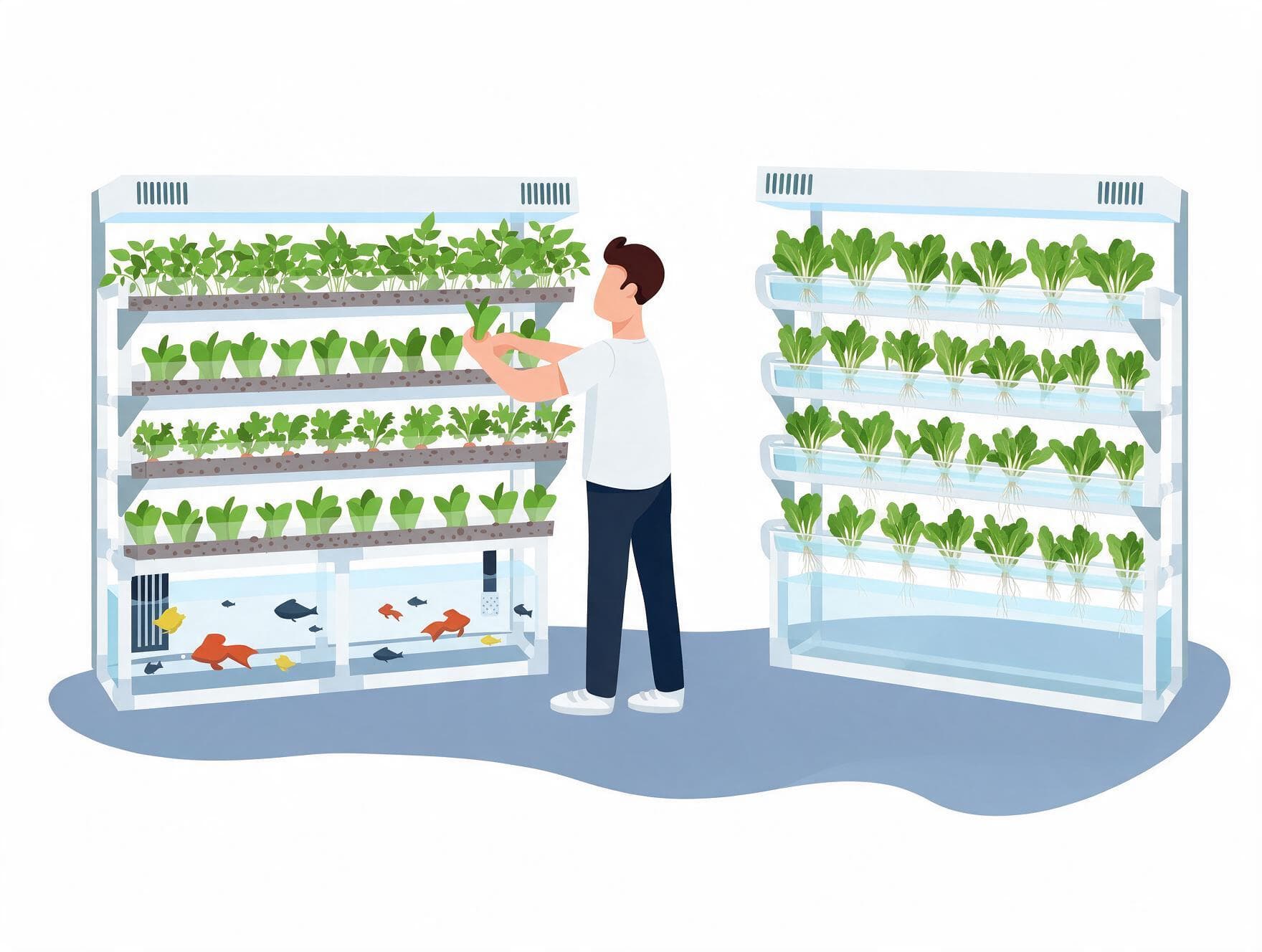
Aquaponic VS Hydroponic: Which is Better?
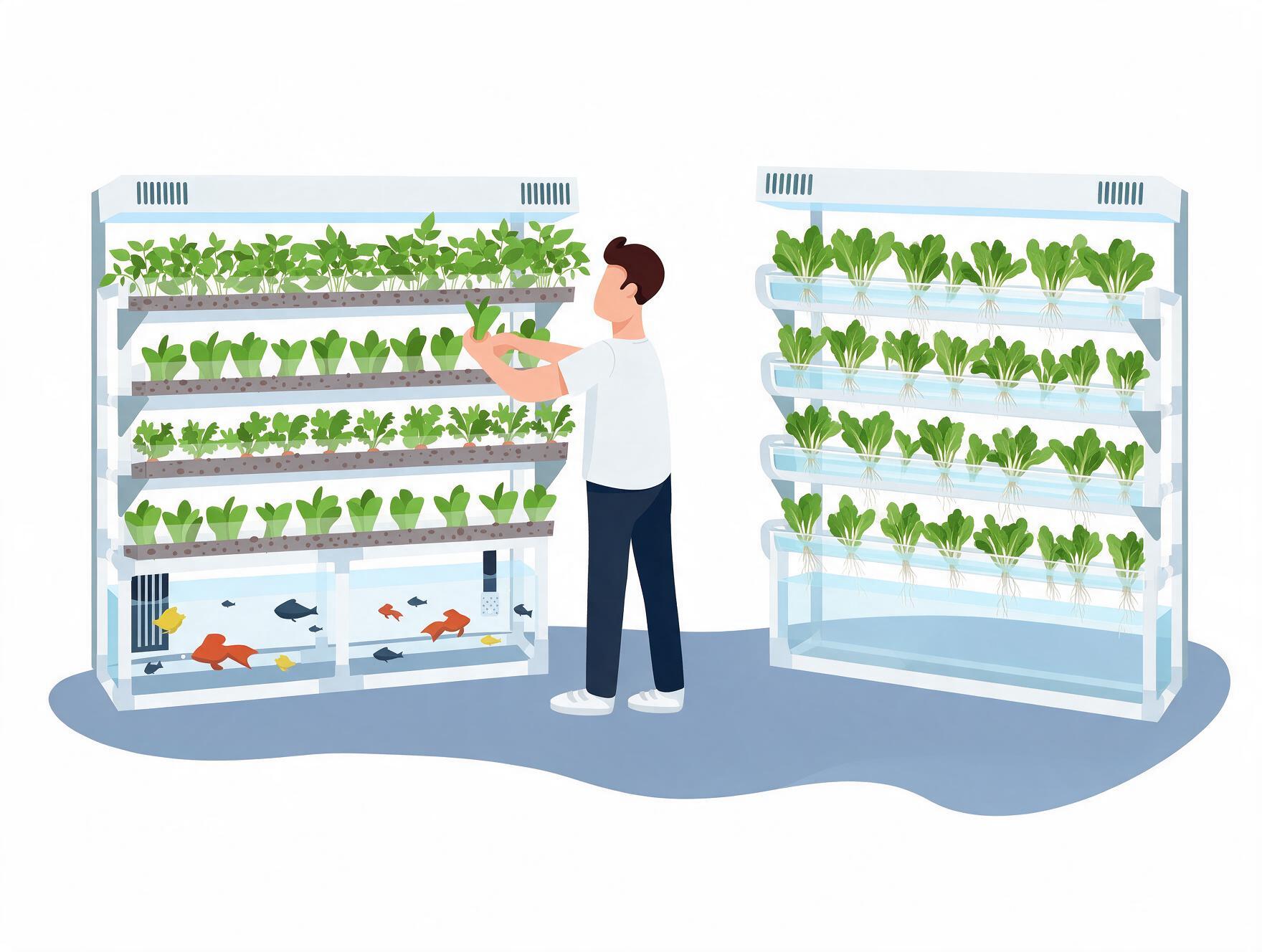
Aquaponic and hydroponic systems are revolutionizing the way we grow plants. These soilless gardening methods offer efficient and sustainable alternatives to traditional agriculture. Aquaponics combines aquaculture, the raising of fish, with hydroponics, the cultivation of plants in nutrient-rich water. On the other hand, hydroponics focuses solely on growing plants in a nutrient solution. Both systems offer unique advantages and challenges. In this blog, we will explore hydroponics and aquaponics, comparing their science, benefits, and sustainability. By the end, you'll have a clearer picture of which system is the better fit for your gardening needs.
Understanding Hydroponics
Hydroponics, a form of soilless gardening, involves growing plants in a water-based, nutrient-rich solution. This system replaces traditional soil, allowing plant roots to have direct access to nutrients. The nutrient solution contains essential nutrients, such as nitrogen, phosphorus, and potassium, required for plant growth. Electrical conductivity (EC) and pH levels are closely monitored to ensure optimal nutrient uptake by the plant roots. Aeration and filtration components maintain the proper oxygen levels and filter out any impurities. It's a precise and efficient system that promotes accelerated plant growth and higher yields.
The Science Behind Hydroponics
In hydroponics, plants grow without traditional soil. Instead, they thrive in a nutrient solution, a water-based solution with essential nutrients necessary for plant growth. By supplying nutrients directly to plant roots, hydroponic systems eliminate the need for root systems to search for nutrients in the soil. This efficient nutrient delivery allows plants to grow faster and produce higher yields.
To ensure optimal plant growth, hydroponic systems monitor and control several factors, including pH levels and electrical conductivity (EC). Maintaining a specific pH level in the nutrient solution is crucial, as it affects nutrient availability to the plant roots. Most plants thrive in a slightly acidic pH range of 5.5 to 6.5, but different crops may require specific pH levels for optimal growth.
Electrical conductivity (EC) measures the solution's nutrient levels. By monitoring EC, growers can adjust the nutrient solution's strength to ensure plants receive the right amount of nutrients. Additionally, EC levels indicate water quality, helping growers identify any imbalances or nutrient deficiencies.
Hydroponic systems also require aeration and filtration to maintain plant health. Aeration ensures plant roots receive sufficient oxygen, promoting healthy root development. Filtration removes any impurities from the nutrient solution, ensuring nutrient uptake remains unobstructed.
By finely tuning these factors, hydroponic systems offer a precise growing environment that maximizes plant growth and yields.
Benefits of Hydroponics
Benefits of Hydroponics
Hydroponics systems revolutionize gardening with their numerous benefits. Let's explore some of these advantages:
- Water Efficiency: Hydroponics consumes less water compared to traditional agriculture, making it an environmentally friendly method of growing plants. The closed-loop system in hydroponics recirculates water, reducing water waste significantly.
- Space Efficiency: Hydroponic systems require less space compared to traditional gardening methods, making them ideal for urban areas or small balconies. Vertical hydroponic systems, like tower gardens, maximize space utilization, allowing more plants to be grown in a limited area.
- Accelerated Plant Growth: The efficient nutrient delivery system in hydroponics promotes accelerated plant growth. With direct access to nutrients in the nutrient solution, plants grow faster, enabling multiple harvests within a short timespan.
- Higher Yields: Hydroponics yields higher quality produce compared to traditional agriculture. With precise control over nutrients, light, water, and temperature, growers can optimize plant growth, resulting in higher yields of quality vegetables and herbs.
- The popularity of hydroponics continues to grow due to its ability to grow more food in less space while reducing water usage and potentially harmful chemical pesticides.
Exploring Aquaponics
Aquaponic systems take hydroponics a step further by incorporating aquaculture, the raising of fish, into the growing process. This symbiotic relationship between fish and plants harnesses fish waste as a nutrient source for plant growth. The aquaponics system provides a sustainable, closed-loop ecosystem that mimics natural nutrient cycles, resulting in efficient plant growth and a healthier environment for fish.
The Concept of Aquaponics
Aquaponics is a system that combines aquaculture and hydroponics. It utilizes fish waste, a valuable source of nutrients, as a fertilizer for plant growth. In an aquaponics system, fish are raised in a tank, where they produce waste in the form of ammonia-rich water. This water is then pumped into grow beds, where bacteria convert ammonia into nitrates, which act as a nutrient source for plants. The plant roots take up these nutrients, purifying the water, which is then returned to the fish tank, completing the symbiotic relationship.
Aquaponic systems require careful monitoring of fish feed, fish waste, and nutrient levels. Oxygenation and aeration systems maintain water temperature, ammonia levels, and pH levels, ensuring fish health and promoting plant growth. By creating a closed-loop system, aquaponics minimizes wastewater and nutrient loss, making it a sustainable and efficient gardening method.
Advantages of Aquaponics
Aquaponics presents a sustainable growing solution, utilizing minimal space and water compared to traditional agriculture. The system efficiently cultivates leafy greens, lettuce, and basil. By fostering a symbiotic relationship, aquaponics diminishes the need for chemical nutrients and salt-based fertilizers. The nutrient-rich water from fish waste enhances plant growth quality. Furthermore, aquaponic systems support a longer growing season, enabling year-round cultivation.
The Common Ground: Similarities between Hydroponics and Aquaponics
Similarities between hydroponics and aquaponics exist in their longer growing season, eco-friendly techniques, and accelerated plant growth. Both systems utilize different setups to foster the growth of plants, leveraging a form of fish and nutrients like magnesium. Additionally, they both involve the use of wick or perlite as an extraneous growing media, enabling a new batch of plants to thrive. However, both systems also have their disadvantages, such as the need for waste management in the form of aquarium algae in aquaponics and the overall maintenance requirements, albeit being incredibly efficient systems.
Longer Growing Season
The controlled environments of aquaponic and hydroponic systems offer a longer growing season, perfect for year-round plant cultivation. These systems are ideal for overcoming traditional gardening limitations in urban areas, enabling continuous supply of fresh produce. Aquaponics and hydroponics eliminate the dependence on seasonal changes for plant cultivation, making them incredibly efficient systems.
Environment-Friendly Techniques
Environmentally conscious practices are integral to aquaponics and hydroponics, as both methods significantly reduce water consumption. By eliminating the need for pesticides and salt-based fertilizers, these systems create a healthier, chemical-free growing environment. Moreover, the reliance on traditional agriculture is lessened, contributing to overall sustainability. Additionally, the promotion of urban gardening by aquaponics and hydroponics minimizes the carbon footprint associated with transporting produce, making these systems an environmentally friendly choice.
Accelerated Plant Growth
Incredibly efficient systems like aquaponics and hydroponics deliver vital nutrients directly to plant roots, fostering accelerated plant growth. The symbiotic relationship in these different systems ensures efficient nutrient uptake, optimizing conditions for rapid plant growth. Featuring a controlled environment, both systems promote the production of higher quality produce by enhancing nutrient delivery and facilitating faster plant growth. The nutrient-rich water in aquaponic and hydroponic systems plays a pivotal role in fostering accelerated plant growth, ultimately resulting in higher yields.
Distinguishing Factors: Differences between Hydroponics and Aquaponics
The different systems used in hydroponics and aquaponics result in varying maintenance requirements. Hydroponic systems demand regular monitoring of nutrient levels, including magnesium, while aquaponic systems require periodic checks for the health and form of fish and the prevention of extraneous growing media such as algae in the aquarium. Additionally, hydroponics often incorporate wick or perlite as a growing medium, whereas aquaponics rely on fish waste as a natural fertilizer, making it an incredibly efficient system.
System Design and Components
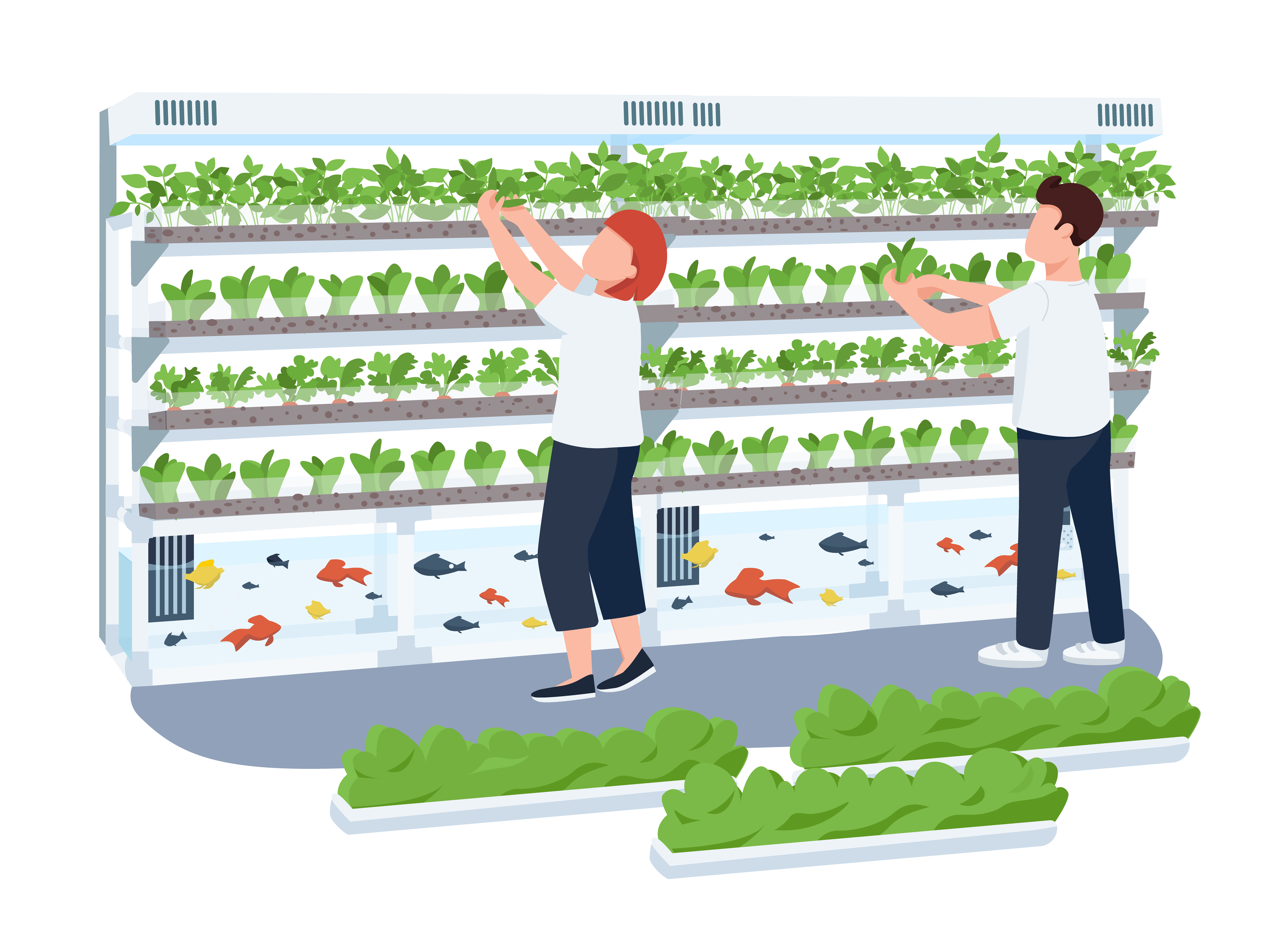
Aquaponic and hydroponic systems each have distinct designs and components. Aquaponic systems comprise fish tanks, grow beds, and a filtration system for nutrient-rich water. On the other hand, hydroponic systems typically include a water reservoir, a nutrient solution, and a pump for plant roots. Aquaponic systems need fish, beneficial microbes, and plant roots to maintain a symbiotic relationship, while hydroponic systems rely on a nutrient solution, electrical conductivity, and pH level for plant growth. Additionally, aquaponic systems benefit from nitrogen, nitrates, and ammonia levels for plant nutrition.
Startup and Operational Costs
Aquaponics and hydroponic systems differ in their startup and operational costs. Hydroponic systems may involve higher operational costs due to chemical nutrients and water filtration, while aquaponic systems require investment in fish feed, fish tank setup, and fish waste management, impacting startup costs. Additionally, hydroponic systems commonly involve the setup of a hydroponic system, nutrient solution, and grower expertise, while aquaponics demand aquaculture knowledge, greenhouse setup, and fish tank maintenance, affecting operational costs. Both systems, however, necessitate plant monitoring, water temperature, and nutrient levels management, making them equally demanding in terms of ongoing maintenance.
Nutrient Management
Both hydroponic and aquaponic systems prioritize nutrient-rich water, filtration, and aeration to support plant health. Hydroponic systems rely on chemical nutrients, essential nutrients, and water temperature for plant growth, managing fertilizer, total dissolved solids, and nutrient solution levels. In contrast, aquaponic systems utilize fish waste, nutrient-rich water, and beneficial microbes for plant nourishment, controlling ammonia, nitrites, and nitrates to provide essential nutrients to plants. Both systems are incredibly efficient and use different methods to ensure optimal nutrient management.
Maintenance Requirements
Maintenance requirements for aquaponic and hydroponic systems differ in various aspects. Aquaponic systems demand fish waste management, fish tank filtration, and grow bed aeration, while hydroponic systems necessitate nutrient solution monitoring, water temperature control, and plant root system maintenance. Additionally, aquaponic systems require fish feed, fish tank aeration, and plant root system care for sustainable plant growth, whereas hydroponic systems involve nutrient solution changes, pH level adjustments, and plant root system inspection. Both systems mandate water filtration, nutrient levels, and plant root system health checks, highlighting their focus on overall system health and vitality.
Sustainability: A Deeper Look
In an aquaponic system, the waste produced by fish is utilized as a natural fertilizer for plants, creating a sustainable ecosystem. This eliminates the need for extraneous growing media like perlite and reduces the risk of algae growth. On the other hand, in hydroponic systems, the need for a continuous supply of nutrients along with the disposal of nutrient-rich water poses sustainability disadvantages. Overall, aquaponics stands out as an incredibly efficient system, providing a new batch of nutrients as fish excrete waste, thereby promoting sustainability.
Ecosystem Impact
Both aquaponic and hydroponic systems contribute to a sustainable ecosystem in different ways. Aquaponic systems positively impact the ecosystem by reducing wastewater, fostering fish growth, and enabling plant symbiosis. On the other hand, hydroponic systems affect the ecosystem favorably by reducing pesticides, conserving water, and efficiently utilizing nutrients. They also have additional benefits such as reduced pests, minimized use of chemical fertilizers, and lower greenhouse emissions. Overall, both systems play a crucial role in creating a sustainable ecosystem with reduced water and space usage.
Waste Disposal
Aquaponic and hydroponic systems both prioritize waste disposal, efficient water usage, and nutrient-rich water filtration. Aquaponic systems address waste disposal through fish waste utilization, nutrient-rich water filtration, and aquaculture practices while handling it with symbiotic plant growth, fish waste recycling, and aquaculture sustainability. Hydroponic systems manage waste disposal by optimizing nutrient solution usage, regulating efficient water usage, and maintaining plant root system health with less space requirements. Both systems aim to address waste disposal in an environmentally friendly manner, ensuring the sustainability of their practices.
The Challenges: Disease prevalence and Insect control
Disease prevalence and insect control pose significant challenges in aquaponic vs hydroponic systems. In hydroponics, the risk of diseases affecting plants is higher due to the continuous recirculation of water. Managing nutrient levels and preventing algae growth are essential to avoid diseases. In aquaponics, fish waste can introduce harmful pathogens, necessitating regular monitoring and treatment. In both systems, controlling pests without harming the fish or plants is crucial. Implementing appropriate measures is vital to ensure the health and productivity of the crops.
Disease Prevalence in Hydroponics and Aquaponics
The prevalence of diseases in hydroponics and aquaponics can be managed by carefully monitoring the growing environment. In hydroponic systems, root diseases such as pythium and fusarium can occur due to the continuous recirculation of water. This is not typically an issue in aquaponic systems, as the fish waste provides a natural source of nutrients for the plants, reducing the risk of certain diseases. However, both systems may face algae problems, which can be controlled by limiting light exposure and maintaining proper system balance.
Approaches to Insect Control
When managing insect infestations, consider beneficial insects for natural pest control. Utilize row covers as physical barriers against insects. Employ non-toxic pest management with horticultural oils and insecticidal soaps. Implement companion planting and crop rotation to deter insects. Monitor and control insect populations using traps and lures.
Considering Your Needs: Which is the Better Option for You?
When deciding between aquaponics and hydroponics, several factors should be considered. Assess the available space, resources, and effort required for maintenance. Consider the desired level of control over nutrient levels and plant growth. Compare the sustainability, efficiency, yields, and produce quality of both systems.
Conclusion
In conclusion, both hydroponics and aquaponics offer unique benefits and challenges. Hydroponics allows for precise control over nutrient levels and faster plant growth, while aquaponics provides a sustainable and environmentally-friendly approach by combining fish farming with plant cultivation. Both systems have their own requirements in terms of system design, startup costs, and maintenance. It ultimately comes down to your specific needs and preferences. Consider factors such as available space, budget, and personal goals when deciding which system is better suited for you. Whichever option you choose, both hydroponics and aquaponics offer innovative ways to grow plants efficiently and sustainably. Start experimenting and reap the rewards of these modern gardening techniques.