Key Highlights
- Living soil is a type of organic soil that is made by using soil organisms, organic matter, and letting steady nutrient cycling happen.
- It is not like regular potting soil. Living soil uses microbes and mycorrhizal fungi, rather than synthetic nutrients.
- A simple mix will often have compost, worm castings, materials for aeration, and some mineral changes added in.
- Taking good care of it is easy. You only need to keep the moisture just right, do not use strong chemicals, and make sure to feed the soil food web.
- This way of using organic soil is good for sustainable gardening. People use less water, fertilizer, and pesticide.
- Living soil is a good choice for outdoor beds, indoor plants, and people who grow in containers.
Introduction
Living soil is great for gardeners who want strong, healthy plants without always adding bottled products. This way, you do not treat the soil like a lifeless thing. You build it up with organic materials. This helps the soil become full of life. A living soil makes the plant growth much better and steady. When you feed the soil, the soil gives back and helps your plants grow well. If you want your garden to be tougher, use fewer outside things, and be easy to care for, start with learning more about living soil. It will show you how to use organic materials and help your soil fertility and plant growth over time.
Understanding Living Soil and Its Unique Qualities
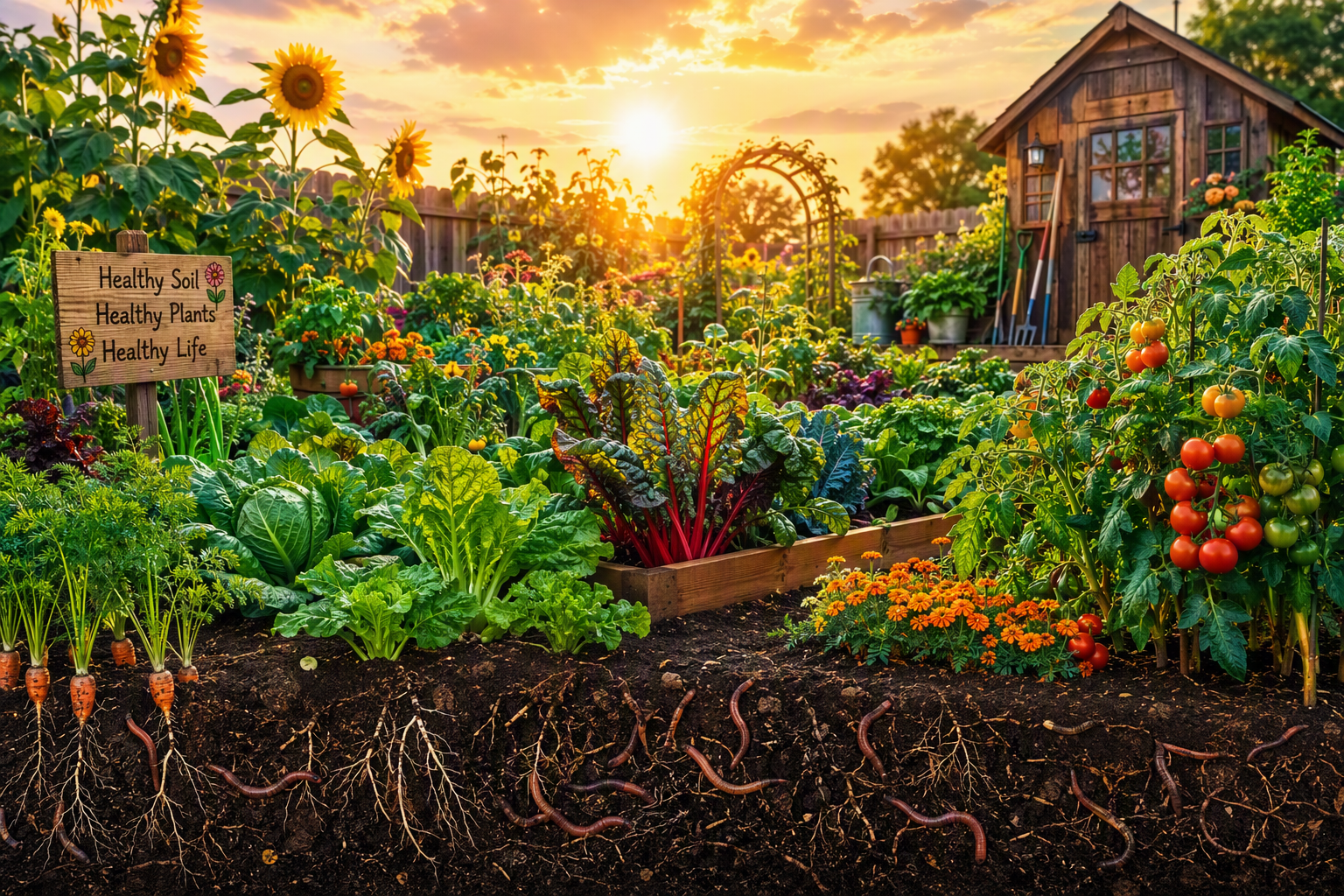
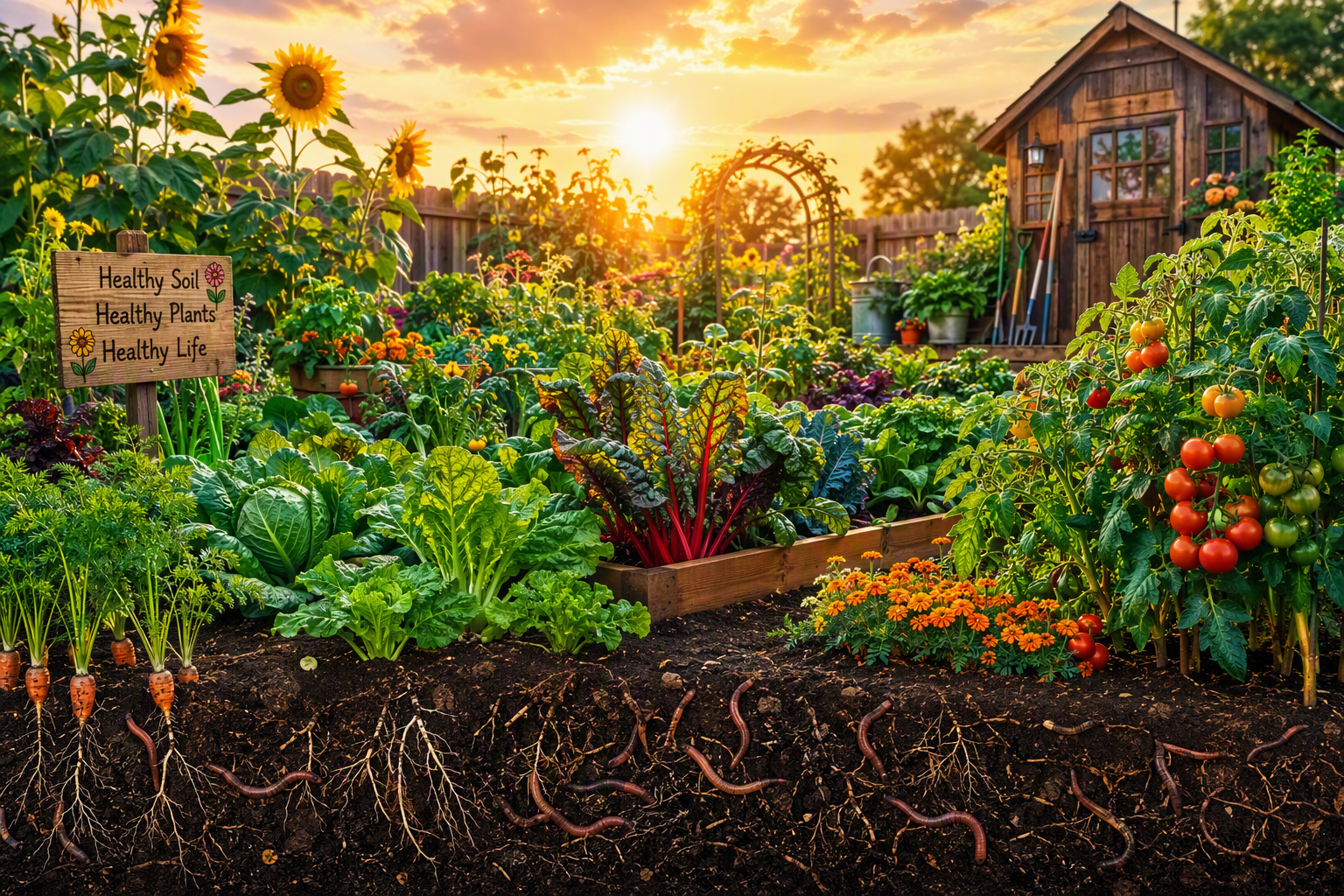
Living soil is more than just a type of soil. It works as an ecosystem on its own. This soil is full of microbiology, organic soil, and living organisms. These include fungi, worms, protozoa, nematodes, and bacteria. They all have a key role. They help break organic matter down into food that plants can use.
What makes this soil special is its structure and the way the soil food web stays active. It does more than just keep plant roots in place. This living soil helps with nutrient cycling and keeps moisture in balance. It also lets root systems grow healthy, so you do not need as much outside help. You can see the difference when you look at soil like this next to most potting mixes.
How Living Soil Differs from Traditional Potting Soil
Regular potting soil is made to hold roots. It keeps water and added fertilizer in the soil. Living soil does more than this. It has fungi, microbes, and organic materials in it. These things work together to make a system that can support itself. The living soil does not depend mostly on synthetic nutrients. It uses the activity of tiny life forms to unlock plant food from the soil slowly over time.
Feature | Living soil | Traditional potting soil |
|---|---|---|
Main focus | Feed the soil food web | Feed the plant directly |
Nutrient source | Organic matter and amendments | Added fertilizers or synthetic nutrients |
Biology | Active microbes, fungi, worms | Limited biological life |
Long-term use | Can be refreshed and reused | Often replaced more often |
Many growers go with living soil because it helps plants grow well and does not need a lot of extra things. The soil also helps build good soil structure and makes plant roots stronger. This leads to a more natural way to grow your plants, no matter if you do it inside or outside.
Why Living Soil Supports Resilient, Low-Input Gardens
A strong garden begins in the ground. Organic living soil helps a lot because living organisms do the work that many gardeners use products for. As they break down organic matter, they make nutrient cycling better, support root growth, and help plants stay strong.
Key benefits include:
- The soil holds water better and you need to water less, even when it is dry.
- You do not have to count on synthetic fertilizers and pesticides as much.
- When plants stay healthy, they can fight off pests and stress on their own.
There is also an environmental impact to think about. When the soil in your garden holds moisture well and keeps nutrients moving, it stays full of life. This means you do not need so many things from outside like water or fertilizer. That can help you spend less money, make less waste, and your garden can stay productive with less work as time goes on.
Core Ingredients for a Basic Living Soil Mix
A basic living soil mix is made of a few main parts that fit well together. You start with compost and worm castings. These give the soil organic matter and bring in living organisms. For aeration, you add materials that help with drainage. This means roots do not sit in compacted soil.
It is also important to have balanced amendments and minerals in the mix. These help improve soil fertility for a long time. They also support microbes so they can break down nutrients well. The quality of your inputs is important. If your ingredients are clean and matched in the right way, and they are active, everything will work better. Next, we will talk about the base materials and the natural boosters that bring the mix to life.
Essential Base Components: Compost, Aeration, and Minerals
Start with compost because it gives life to the mix. Compost brings nutrition and organic materials that make the soil better. It improves soil structure and helps microorganisms live and grow. A lot of growers use manure-based compost or decomposed plant parts when they build organic living soil. These things add even more organic materials for the plants and help the soil.
Each core part has a job:
- Compost helps keep the soil rich for plants. It supports the tiny life in soil. It also helps the soil hold the right amount of moisture.
- Aeration materials help water drain out. They keep the soil loose, which is good for root growth.
- Minerals give the soil what it needs so plants can keep growing strong for a long time.
A good way to do this is to use a balanced mix. Try not to use too much of one thing. Make sure there is enough aeration, so the soil does not get packed down. Add enough compost to help the mix stay lively and full of good things for plant growth. Use the right amount of minerals and other things so the soil can support healthy plant growth for a long time.
Beneficial Microorganisms and Natural Amendments
The main force in living soil is the life inside it. Good bacteria and mycorrhizal fungi break down organic matter, which helps make food the plants can use. They also help plant root systems find water and nutrients better. This is one reason why living soil works better than dead soil.
Natural amendments make that system stronger. Worm castings are well-liked for adding microbes and gentle fertility to the soil. Many people also use blood meal, bone meal, kelp meal, and biochar. These help with nutrient cycling and give soil organisms more things to use.
To get your mix started, keep it wet and give it time to work. Many growers let the soil wait for a couple of weeks or more. Some add compost tea and some even put in earthworms before planting. The main thing is to wake up the biology before you put in the roots.
Creating and Maintaining Healthy Living Soil
To make healthy living soil, you need the right ingredients, enough moisture, and some time for small life forms in the soil to get started. When these life forms become active, they help the soil fertility and keep nutrient cycling working well. This also helps root growth, so plants get stronger and you do not need to add as many products to the soil.
Doing well for a long time comes from care, not from fixing things all the time. You also need to look after the life in the soil and not use harsh stuff. Make sure you refresh the surface of your soil when it is needed. If you keep up a good routine, living soil will keep working for you. You will not need to throw it out and get new soil. Here are a few easy recipes and tips to help you take care of it.
Simple Living Soil Recipes for Beginners
If you are new at this, it's good to keep your simple recipe balanced and easy to handle. A beginner should mix compost, an organic soil base, materials for aeration, and a small amount of minerals or other natural things. The main goal is to help the life in the soil, not to make a mix that is too strong.
Try this basic method:
- Mix some organic matter like compost or worm castings into a loose base soil.
- Add something for aeration so roots get enough air and water can drain out.
- Blend in mild minerals or amendments, then add a little water so the mix is moist all over.
After you mix the soil, cover it and let it sit. This will help the biology start to work in the mix. Some growers keep the soil mix moist for a week. They add more time for it to cook before they plant anything. For the best results, you can finish by pouring compost tea on top or use a light top layer of worm castings.
Tips for Keeping Your Living Soil Active and Productive
After you build the soil, your main job is to take care of the life in it. Bacteria, fungi, and earthworms all need things like moisture, air, and food to stay alive. If the soil gets too dry or stays too wet, nutrient cycling gets slow. The roots can also have a hard time.
Helpful habits include:
- Top-dressing with compost helps feed the living things in the soil and puts back nutrients.
- Using cover crops or companion plants helps protect the soil surface and gives it support.
- Adding earthworms, where it is needed, can help improve aeration and break things down faster.
Watch out for common problems like poor drainage, packed soil, or weak growth. These signs often show there is an issue with moisture, organic matter, or not enough airflow—not just a need for fertilizer. If you take care of it well, living soil can keep working for a long time. This is because you keep renewing the system instead of changing out all the soil.
Conclusion
To sum up, building living soil is key to having gardens that are strong and easy to care for. This kind of soil helps gardens grow well on their own. When you know what makes living soil special and what goes into it, you can make a place where plant growth is healthy and you do not have to use a lot of fake products. A few easy recipes and care tips are all you need to start making your garden full of life. When you use living soil, it helps your plants and it is also better for the earth. If you want to see better plant growth in your garden, do not wait. Start building better soil today!
Frequently Asked Questions
How Do I Know If My Soil Is Truly ‘Living’?
Living soil is dark and crumbly. It is easy to dig into. You can see signs of soil organisms in it. These can be microbes, fungi, bacteria, and sometimes worms. The soil should hold moisture well and help plants grow at a steady rate. If the soil does not feel hard or lifeless like dead soil, it means it is active.
Can Living Soil Be Used Indoors or for Container Gardening?
Yes, you can use living soil in container gardening and for indoor plants. The most important thing is to use an organic soil mix that has good aeration and drainage. This is not the same as using regular potting soil. The living soil helps the biology in the mix, so you have to keep it moist. Do not use strong products that can hurt the soil or its living parts.
What Should I Do If Problems Arise with My Living Soil?
Start by looking at the drainage, moisture, and compaction of the soil before you use any fertilizer. A lot of the issues with living soil do not come from not feeding enough, but from the soil being out of balance. If you see pests or notice growth is not as strong, add compost, help the airflow get better, and do not use synthetic inputs. These things can harm the soil food web.