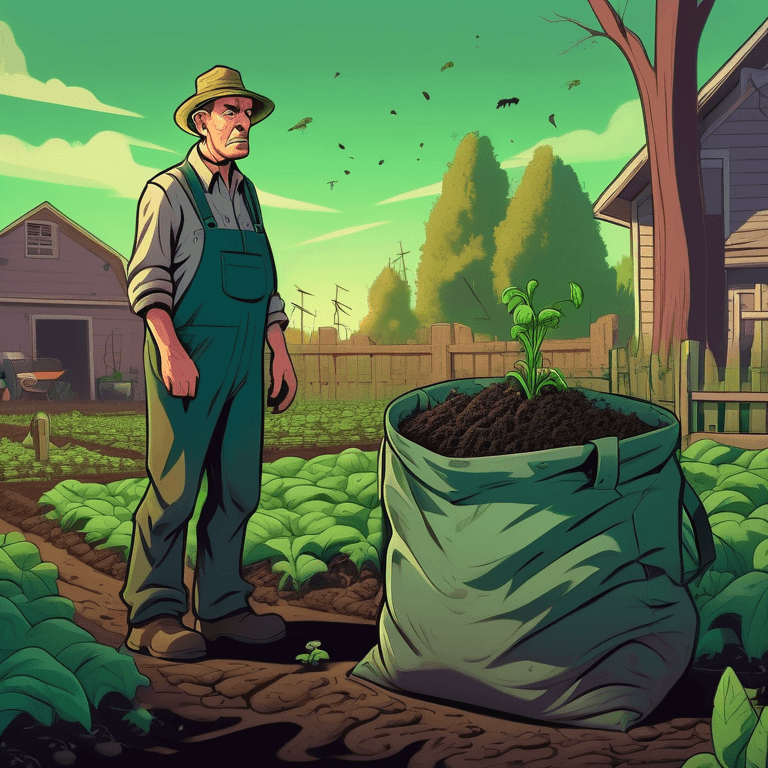
The Dangers of Garden Manure Misuse
Key Highlights
- Manure is a popular soil amendment that provides nutrients and improves soil structure in gardens.
- Not all manures are created equal, as the nutrient content can vary depending on the animal, its age and health, its food, and the collection and storage methods.
- Common sources of manure include cows, horses, sheep, pigs, goats, and poultry.
- Fresh manure should never be used directly on plants as it can burn them and contain harmful pathogens.
- Proper composting of manure is essential to reduce risks and ensure its safety for use in the garden.
Introduction
Animal manure has long been used as a fertilizer in gardens and farm fields. It is an excellent source of nutrients and organic matter, which helps improve soil structure and fertility. However, the misuse of garden manure can have detrimental effects on plants, soil health, and even the environment. In this blog, we will explore the dangers of garden manure misuse and provide guidance on how to safely use manure as a fertilizer.
Understanding Manure's Role in the Garden
Manure is a valuable source of organic matter, nitrogen, phosphorus, potassium, and other essential nutrients for plants. When applied to the soil, it enriches the soil and provides a steady release of nutrients over time. It also helps improve soil structure, water retention, and beneficial microbial activity. However, it is crucial to understand the proper use and application of manure to avoid potential risks and negative impacts on the garden.
The Benefits of Using Manure as a Fertilizer
Using manure as a fertilizer offers several benefits for the garden. Firstly, manure is rich in organic matter, which helps improve soil structure, moisture retention, and aeration. Secondly, manure provides essential nutrients like nitrogen, phosphorus, and potassium, which are vital for plant growth and development. The slow-release nature of these nutrients ensures a steady supply to the plants over time. Additionally, manure also enhances the soil's microbial activity, promoting a healthy and balanced soil ecosystem. Properly applied, manure can significantly improve soil fertility and plant productivity.
Common Misconceptions About Manure Application
There are some common misconceptions about the application of manure in gardens. One misconception is that fresh manure can be used directly on plants. However, fresh manure contains high levels of nitrogen and ammonia, which can burn plant roots and foliage. Another misconception is that the composting process is unnecessary for manure. In reality, composting not only reduces the risk of pathogens but also breaks down weed seeds and herbicides that may be present in the manure. It is important to understand and address these misconceptions to ensure the safe and effective use of manure in the garden.
Identifying Harmful Manures
While manure is generally beneficial for garden use, not all manures are safe or suitable for every garden. Some manures can be harmful due to their toxicity, potential soil contamination, or the presence of contaminants. It is crucial to identify these harmful manures to avoid negative impacts on soil health and plant growth. Understanding the potential dangers associated with certain types of manures can help gardeners make informed decisions about proper manure selection and use.
Types of Manures That Can Damage Your Soil
When it comes to harmful manures, certain types should be used with caution or avoided altogether. Here are some examples:
- Poultry manure: Poultry manure is high in nitrogen, which can lead to excessive nutrient buildup in the soil. It also contains high levels of ammonia, which can be toxic to plants.
- Horse manure: Horse manure may contain weed seeds and herbicides if the horses have been fed hay or grass treated with herbicides. These residues can persist in the manure and inhibit plant growth.
- Cow manure with bedding: Cow manure that includes bedding material like straw or sawdust can introduce weed seeds into the garden, leading to weed problems.
- Contaminated manure: Manure from animals that have been treated with antibiotics or fed contaminated feed can contain harmful substances that can negatively impact soil health and plant growth.
Signs of Toxicity in Garden Manure
Toxic manure can have detrimental effects on soil health and plant growth. Signs of toxicity in garden manure may include:
- Foul odor: Fresh manure with a strong, unpleasant odor can indicate the presence of harmful substances or pathogens.
- Pathogens: Manure contaminated with pathogens like E. coli, salmonella, or listeria can pose a risk to human health and contaminate the soil.
- Ammonia levels: High levels of ammonia in manure can indicate excessive nitrogen content, which can be toxic to plants.
- Contamination: Manure contaminated with pesticides, herbicides, antibiotics, or other harmful substances can introduce these contaminants to the soil, affecting plant health.
The Science Behind Manure and Soil Health
Understanding the science behind manure and its impact on soil health is essential for gardeners to make informed decisions about its use. Manure affects soil pH, structure, fertility, and nutrient availability. It provides organic matter that improves soil structure and water-holding capacity. Manure also releases nutrients slowly, ensuring a steady supply to the plants. However, misuse or improper application of manure can lead to imbalances in soil pH, nutrient availability, and soil structure, negatively impacting plant growth and soil health.
How Manure Affects Soil pH and Structure
Manure can affect soil pH and structure in different ways. Firstly, manure contains organic matter that, when decomposed, releases organic acids, which can lower soil pH. This can be beneficial for plants that prefer acidic soil conditions, but excessive application of acidic manure can lead to imbalances in soil pH. Secondly, manure improves soil structure by increasing soil aggregation and water-holding capacity. The organic matter in manure enhances soil's ability to retain moisture and nutrients, promoting better root growth and overall plant health. However, misuse of manure, such as excessive application, can lead to compacted soil and poor drainage.
The Long-term Impact of Manure Misuse on Soil Fertility
Misuse of manure can have long-term effects on soil fertility. When manure is improperly applied, such as excessive application or without proper composting, it can lead to nutrient imbalances, nutrient runoff, and reduced soil fertility over time. Excessive application of manure can cause nutrient buildup in the soil, leading to nutrient imbalances and potential toxicity to plants. Moreover, manure that is not properly composted can release excessive amounts of nitrogen and ammonia, which can be lost through leaching or volatilization, resulting in nutrient runoff and decreased soil fertility. It is important to follow proper manure application guidelines to ensure sustainable and long-term soil fertility.
Safeguarding Your Garden from Manure-Related Risks
To protect your garden from manure-related risks, it is essential to follow proper manure selection, application, and composting practices. By taking appropriate precautions, you can minimize the potential negative impacts of manure and ensure its safe and effective use in your garden.
Proper Manure Selection for Different Types of Gardens
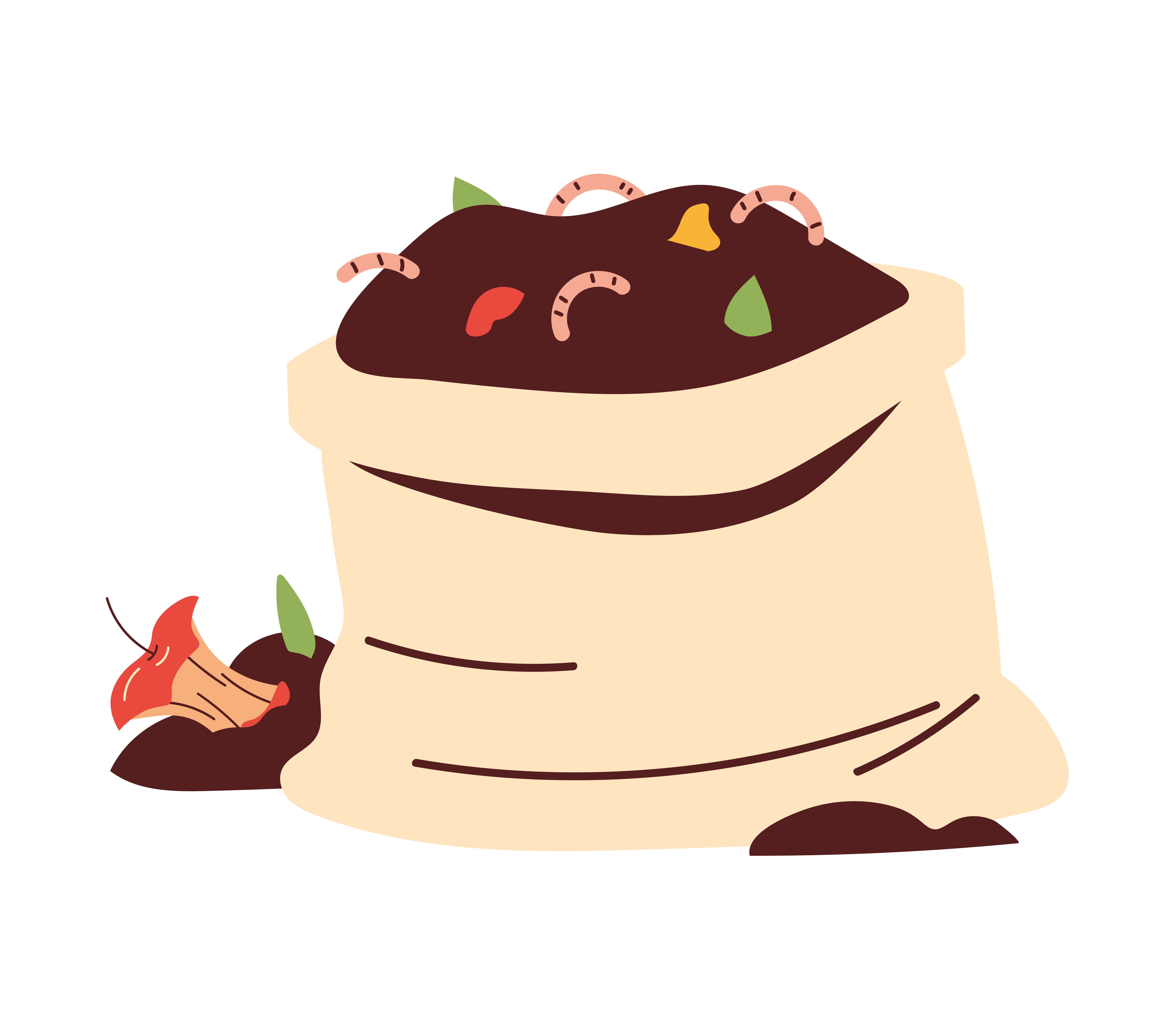
Choosing the right manure for your garden depends on several factors, including the type of garden and the specific needs of your plants. Here are some considerations for proper manure selection:
- Vegetable gardens: Manures with lower nitrogen levels, such as aged cow or horse manure, are suitable for vegetable gardens as excessive nitrogen can result in excessive foliage growth and reduced fruit production.
- Home gardens: For small home gardens, well-composted manure from a reputable source is generally a safe and effective option.
- Type of manure: Consider the nutrient content, composition, and potential contaminants of the manure to ensure it meets the specific requirements of your garden.
Best Practices for Manure Application and Timing
To ensure the safe and effective use of manure in your garden, follow these best practices for manure application and timing:
- Composting process: Properly compost manure before applying it to the garden to reduce the risk of pathogens, weed seeds, and herbicide residues.
- Best time: Apply composted manure in early spring, before planting, to allow sufficient time for nutrient release and soil incorporation.
- Quantity: Apply manure in moderation, taking into account the nutrient needs of your plants and the existing nutrient levels in the soil.
- Incorporation: Mix manure into the soil thoroughly to ensure even distribution of nutrients and prevent nutrient runoff.
- Avoid direct contact: Avoid direct contact between manure and plant foliage to prevent potential burn or contamination.
Case Studies: The Effects of Manure Misuse
Case studies can provide valuable insights into the effects of manure misuse on gardens and soil health. By examining real-life examples, we can better understand the potential risks and consequences of improper manure use.
Real-life Examples of Garden Destruction Due to Improper Manure Use
Improper use of manure in gardens can have devastating effects on plants and soil health. One example is the case of a local farmer who applied fresh cow manure directly to his vegetable garden without composting it first. The high nitrogen content in the fresh manure caused excessive growth in the plants, leading to weak stems and increased susceptibility to diseases and pests. Additionally, the fresh manure contained weed seeds that germinated and competed with the vegetables for nutrients and space. The farmer's garden was soon overcome by weeds, and the plants suffered from stunted growth and reduced yields. This example highlights the importance of composting manure before application to avoid the negative consequences of improper manure use.
Success Stories of Recovering Soil Health After Manure Damage
Although improper use of manure can cause damage to soil health and plant growth, there are success stories of gardeners who have managed to recover their soil after such incidents. One such success story is that of a gardener who experienced soil damage due to excessive use of fresh horse manure. The high nitrogen content in the manure led to nutrient imbalances and poor soil structure. However, through implementing proper gardening practices such as regular soil testing, adding organic matter, and practicing crop rotation, the gardener was able to restore the soil's health and fertility over time. This success story emphasizes the importance of understanding the nutrient needs of plants and implementing sustainable gardening practices to recover soil health after manure damage.
Alternative Soil Amendments and Their Benefits
In addition to manure, there are other soil amendments that can be used to improve soil fertility and structure. Organic fertilizers such as compost, bone meal, and fish emulsion provide nutrients to plants while also improving soil health. Inorganic fertilizers, on the other hand, are synthetically manufactured and have precise nutrient ratios. Composting is another effective method of recycling organic waste and producing nutrient-rich soil amendments. It involves the decomposition of organic matter under controlled conditions, resulting in a dark, crumbly substance that can be added to soil to improve its fertility and structure.
Comparing Manure with Other Organic and Inorganic Fertilizers
When comparing manure with other organic and inorganic fertilizers, it is important to consider their nutrient content. Manure provides a balanced mix of nitrogen, phosphorus, and potassium, along with other essential nutrients. Organic fertilizers derived from plant and animal sources also contain a range of nutrients, but their nutrient content may vary depending on the source. Inorganic fertilizers, on the other hand, are formulated to provide specific nutrient ratios based on plant needs. While manure and organic fertilizers contribute to the long-term improvement of soil health, inorganic fertilizers provide immediate nutrient availability to plants. Choosing the right fertilizer depends on the specific needs of plants and the desired outcome for the garden.
Innovative Soil Improvement Techniques Without Using Manure
For gardeners who prefer not to use manure as a soil amendment, there are several innovative techniques available to improve soil health. One such technique is the use of cover crops, which are planted to protect and enrich the soil during fall and winter months. Cover crops help prevent erosion, add organic matter, and fix nitrogen in the soil. Another technique is mulching, which involves applying organic materials such as straw, wood chips, or leaves to the soil surface. Mulch conserves moisture, suppresses weeds, and adds nutrients to the soil as it breaks down. Composting is another effective method of recycling organic waste and creating nutrient-rich soil amendments. By combining kitchen scraps, yard waste, and other organic materials, gardeners can create compost that improves soil structure and provides nutrients to plants without the use of manure.
Conclusion
In conclusion, proper understanding and careful application of garden manure are crucial in maintaining soil health and fertility. Misusing manure can lead to detrimental effects on your garden, including toxicity and damage. By selecting the right type of manure, following best practices for application, and considering alternative soil amendments, you can safeguard your garden from potential risks associated with manure misuse. It's essential to be aware of the long-term impacts of manure on soil structure and pH to ensure sustainable gardening practices. Stay informed, make informed choices, and protect your garden's health for flourishing plant growth.
Frequently Asked Questions
What Types of Manure Should Be Avoided in Vegetable Gardens?
In vegetable gardens, it is important to avoid certain types of manure that may contain harmful pathogens, weed seeds, or pesticide residues. Manure from carnivorous animals, such as cats and dogs, should be avoided due to the risk of transmitting diseases. Additionally, manure from animals that have been treated with antibiotics or fed with pesticide-contaminated feed should also be avoided to prevent contamination of the vegetables.
How Can I Test Manure for Contaminants Before Applying?
To test manure for contaminants before applying it to the garden, you can send a sample to a soil testing laboratory or use a home testing kit. These tests can detect the presence of pathogens, heavy metals, and other contaminants in the manure. Alternatively, you can compost the manure in a well-managed compost pile, which can help break down any harmful substances and reduce the risk of contamination.
Is It Possible to Repair Soil Damaged by Manure Misuse?
Yes, it is possible to repair soil that has been damaged by manure misuse. By implementing proper soil amendments such as compost, organic matter, and minerals, and practicing sustainable gardening techniques, gardeners can gradually restore the soil's fertility and structure. Composting the manure before application can also help reduce the risk of nutrient imbalances and weed seed germination.