Troubleshooting Worms in Compost: Common Issues
Key Highlights
- Worm composting is an effective and natural way to reduce waste create nutrient-rich soil for your garden.
- Selecting the right type of worms, such as red wigglers (scientific name: Eisenia foetida), is crucial for a successful worm compost bin.
- Setting up your worm compost bin requires proper bedding, moisture levels, and ideal conditions for the worms to thrive.
- Common setup mistakes to avoid include excess moisture, adding citrus or food scraps that worms don't like, and not providing enough fresh bedding.
- Troubleshooting common worm bin problems like worms trying to escape, unpleasant odors, and overpopulation or underpopulation is essential for maintaining a healthy composting system.
- Optimizing the worm composting process involves balancing moisture levels and proper feeding practices to ensure optimal performance and harvest of worm castings.
Introduction
Worms play a crucial role in the composting process by breaking down organic material into nutrient-rich finished compost, known as "black gold." It's essential to understand how to troubleshoot common issues that may arise in a worm composting system. This guide will address common problems like worms trying to escape, unpleasant odors, and population imbalances. By mastering these troubleshooting techniques, you can optimize your worm composting experience and create high-quality soil amendments for your garden.
Understanding the Basics of Worm Composting
To grasp the basics of worm composting, one must comprehend the pivotal role earthworms play in breaking down organic material. Red wigglers, scientifically known as eisenia foetida, are typically the preferred species for a compost bin. These voracious creatures thrive on a diet of food scraps, such as vegetable scraps and coffee grounds, turning them into nutrient-rich finished compost known as "black gold." Worm composting, also termed vermicompost, is a sustainable method that benefits both the environment and your garden.
The Role of Worms in Composting
Worms play a crucial role in composting by breaking down organic material into nutrient-rich finished compost. Red wigglers, scientifically known as Eisenia foetida, are commonly used in worm compost bins for their efficient digestion of food scraps. These worms enhance the composting process through their activity, turning waste like vegetable scraps and coffee grounds into valuable compost that can be used as a soil amendment for outdoor plants. Their work creates "black gold" that enriches the soil, promoting healthier plant growth.
Selecting the Right Type of Worms for Your Bin
Red wigglers, scientifically known as Eisenia foetida, are excellent for worm composting due to their ability to thrive in compost bins. These red worms are voracious eaters of organic material, processing food scraps into valuable finished compost. Ideal for beginners, red wigglers reproduce quickly, ensuring a sustainable worm population in your bin. Their efficient digestion process helps convert food scraps into nutrient-rich worm castings, making them a popular choice for vermicomposting enthusiasts.
Setting Up Your Worm Compost Bin
Creating the right environment in your worm compost bin is crucial for successful vermicomposting. Start by selecting a suitable container, such as a plastic bin with drainage holes. Layer the bin with moist bedding materials like shredded newspaper or cardboard. Introduce red wigglers, such as Eisenia foetida, into the bin along with organic food scraps. Ensure proper aeration and maintain optimal moisture levels to support the worms' digestion process. By setting up your worm compost bin correctly, you pave the way for producing high-quality worm castings for your garden.
Ideal Conditions for Worm Composting
To ensure optimal worm composting, maintain a consistent temperature between 55-77°F in the bin. Keep the bedding moist but not waterlogged to facilitate the worms' movement and digestion. Provide a balanced diet of kitchen scraps, avoiding acidic items like citrus. Regularly turn the compost to aerate it and prevent odors. Monitor moisture levels using a probe and regulate as needed. Create a dark, cozy environment with shredded paper or leaves for the worms to thrive and efficiently break down organic matter.
Common Setup Mistakes to Avoid
Neglecting the balance of greens and browns can lead to issues. Too many food scraps without enough bedding can create a smelly and anaerobic environment unsuitable for worms. Inadequate aeration from compacted bedding restricts airflow, impeding the composting process. Moisture levels must be regulated as excessive dampness can drown worms, while dry conditions hinder decomposition. Properly layering materials and monitoring moisture and aeration levels are crucial for a successful worm compost setup.
Troubleshooting Common Worm Bin Problems
Worm bin problems can arise despite your best efforts. Worms trying to escape may indicate pH imbalance, overfeeding, or adverse conditions. Unpleasant odors suggest overly moist or anaerobic conditions; adjust bedding and aeration. Overpopulation may require splitting the bin, while underpopulation calls for patience or adding more worms gradually. Monitoring these issues allows for timely adjustments, ensuring a thriving worm composting system.
Issue #1: Worms Trying to Escape
One common issue with worm bins is when worms attempt to escape. This behavior is usually a sign of unfavorable conditions within the compost pile. Factors such as excess moisture, acidity levels, or inadequate ventilation can lead to worms trying to flee their environment. To address this problem, ensure proper aeration, control moisture levels, and check the acidity of the compost. By maintaining ideal conditions, you can prevent worms from escaping and promote a healthy composting process.
Issue #2: Unpleasant Odors from the Bin
Experiencing unpleasant odors from your compost bin can result from excessive moisture levels. When the compost pile becomes too wet, it restricts airflow, creating anaerobic conditions that produce foul smells. To rectify this issue, add dry bedding materials like shredded paper or cardboard to absorb excess moisture. Additionally, ensure proper aeration and avoid adding overly pungent food scraps. Regularly turning the compost pile helps in aerating and managing moisture levels, preventing odors from developing.
Issue #3: Overpopulation or Underpopulation
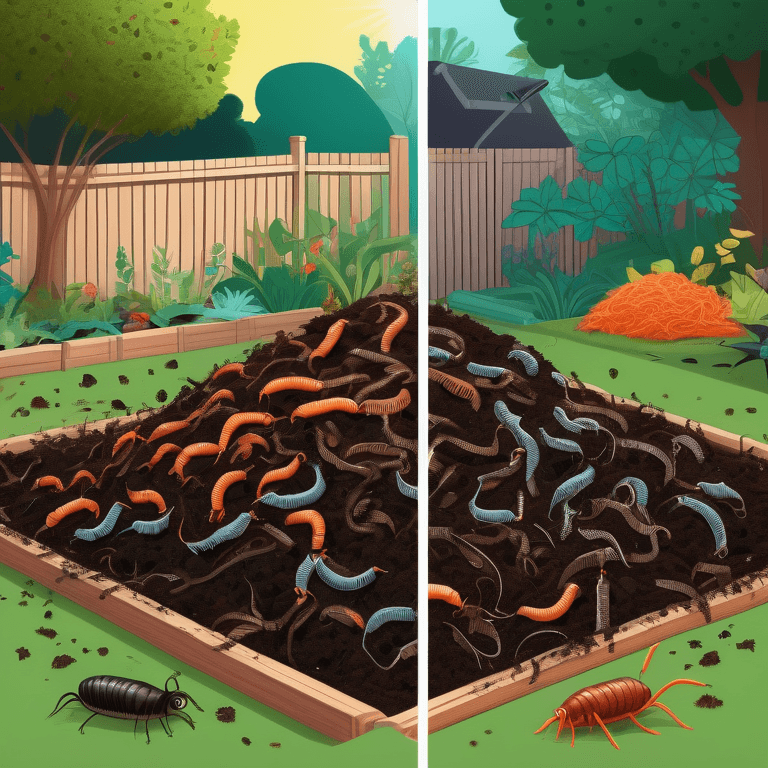
Experiencing overpopulation or underpopulation in your worm bin can disrupt the delicate balance essential for efficient composting. Overpopulation may indicate excessive feeding, leading to rotting food and foul odors. Considerations for underpopulation include slow decomposition and insufficient breakdown of organic material. To address overpopulation, reduce feeding and monitor the worms' activity levels. For underpopulation, ensure adequate food supply and optimal conditions to promote reproduction and population growth. Monitoring worm numbers is crucial for maintaining a healthy composting environment.
Optimizing the Worm Composting Process
Balancing moisture levels is crucial in optimizing the worm composting process. It ensures the worms' well-being and aids in efficient decomposition. Proper feeding practices are equally important; using a mix of organic materials like fruit and vegetable scraps creates a nutrient-rich environment. This accelerates the composting process and produces high-quality finished compost. Monitoring temperature extremes and adjusting bedding levels contribute to successful vermicomposting. By maintaining these factors, you can harness the full potential of your worm compost bin.
Balancing Moisture Levels for Optimal Performance
To ensure optimal performance in your worm composting endeavors, maintaining the right moisture balance is crucial. Too much moisture can lead to anaerobic conditions and unpleasant odors, while insufficient moisture may hinder the worms' ability to digest organic material efficiently. Aim for a damp but not soggy environment within the compost bin. Regularly check the moisture levels by squeezing a handful of bedding; it should feel like a wrung-out sponge. Adjust accordingly by adding more bedding to absorb excess moisture or spritzing with water to increase humidity.
The Importance of Proper Feeding Practices
Feeding your worms the right mixture of organic material is crucial for a healthy composting process. Red wigglers thrive on a diet of food scraps, coffee grounds, and vegetable peels. Avoid citrus scraps and excess moisture as they can harm your worm bin. Balancing nitrogen-rich food with carbon-based bedding ensures optimal decomposition. Proper feeding practices not only sustain your worm population but also contribute to producing nutrient-rich castings for your garden.
Harvesting and Using Your Worm Compost
Worm composting, also known as vermicomposting, is a process that utilizes composting worms to break down organic waste into nutrient-rich worm castings. Harvesting and using your worm compost is a rewarding step in the process that allows you to reap the benefits of your hard work.
To harvest your worm castings, start by separating the worms from the compost. There are several methods you can use to do this. One popular method is the "light method," where you shine a bright light over the compost. The worms will instinctively move away from the light, allowing you to collect the worm-free castings.
Another method is to create "worm towers" or "worm condos." These are tall containers with multiple levels or trays. By adding fresh bedding and food to the top tray, the worms will naturally migrate upward, making it easier to collect the castings from the lower trays.
Once you have separated the worms from the castings, you can use the worm castings as a nutrient-rich soil amendment. Worm castings are packed with beneficial microorganisms, enzymes, and nutrients that improve soil structure, fertility, and plant growth. They can be used in a variety of gardening applications.
When and How to Harvest Worm Castings
Knowing when and how to harvest your worm castings is essential to ensure optimal results. The timing of the harvest depends on the size of your compost pile or worm bin and the feeding habits of your worms.
Generally, you can start harvesting worm castings when the compost pile or worm bin is well-established and there is a significant amount of vermicompost present. This typically takes about three to six months, depending on the conditions and the size of your worm population.
To harvest the worm castings, you can follow the methods mentioned earlier, such as using the light method or creating worm towers. It's important to be gentle when handling the worms and the castings to avoid damaging their delicate bodies and disrupting their habitat.
Once you have harvested the worm castings, you can incorporate them into your potting soil or garden beds. Simply mix the castings into the soil or use them as a top dressing around existing plants. The nutrients in the worm castings will slowly release into the soil, providing a steady supply of beneficial microorganisms and nutrients for your plants.
Applications of Worm Castings in Gardening
Worm castings are a versatile and valuable resource for gardening. They can be used in various applications to enhance soil fertility and promote plant health.
As a soil amendment, worm castings can be mixed into the soil before planting or used as a top dressing around established plants. This improves soil structure, increases water retention, and provides a rich source of nutrients for plants. The beneficial microorganisms present in worm castings also help suppress harmful pathogens and improve overall soil health.
In gardening, outdoor plants can greatly benefit from the use of worm castings. Whether you're growing vegetables, flowers, or ornamental plants, incorporating worm castings into the soil can boost plant growth, improve flowering and fruiting, and enhance overall plant vigor. The slow-release nature of the nutrients in worm castings ensures a steady supply of essential elements for plant uptake.
Additionally, worm castings can be used to make compost tea, a liquid fertilizer that can be sprayed onto plant foliage or applied directly to the soil. Compost tea is a potent source of beneficial microorganisms and nutrients, providing an extra boost to plant growth and health.
Conclusion
In conclusion, understanding the nuances of worm composting is essential for a successful and sustainable practice. From selecting the right worms to troubleshooting common issues, each step plays a vital role in maintaining a healthy composting environment. By optimizing moisture levels, proper feeding, and timely harvesting, you can ensure that your worm compost thrives. Remember, patience and attention to detail are key in this process. Embracing the world of worm composting not only benefits your garden but also promotes eco-friendly practices. So, dive into the fascinating world of worm composting and reap the rewards of nutrient-rich soil for your plants to flourish.
Frequently Asked Questions
Can I use any type of worms for composting?
When it comes to composting with worms, not all worms are created equal. The most commonly used worms for vermicomposting are red wigglers (Eisenia foetida) and European nightcrawlers (Eisenia hortensis). These worms are specifically adapted to the composting environment and can efficiently break down organic material.
Red wigglers are smaller in size and thrive in the warm, moist conditions of a worm bin. They are voracious eaters and can quickly consume kitchen scraps and other organic waste. European nightcrawlers are larger and can tolerate a wider range of temperatures, making them suitable for outdoor composting.
While other earthworms may also contribute to the composting process, they may not be as efficient as red wigglers or European nightcrawlers. It's best to stick with these specialized composting worms for optimal results.
What should I do if my compost bin starts smelling?
Unpleasant odors coming from your compost bin can be a sign that something is amiss. The most common cause of foul odors in a compost bin is an imbalance in the carbon-to-nitrogen ratio or excess moisture.
To combat odors, first, ensure that you are adding the correct balance of carbon-rich "browns" (such as dry leaves, shredded newspaper, or cardboard) and nitrogen-rich "greens" (such as kitchen scraps or grass clippings) to your compost bin. A balance of approximately 3 parts browns to 1 part greens is recommended.
If the compost bin is too wet, it can lead to anaerobic conditions and the production of foul-smelling gases. To remedy this, add dry, carbon-rich materials to absorb the excess moisture and improve aeration. Turning the compost pile regularly can also help promote airflow and prevent stagnation.
In some cases, the addition of compost tea can help alleviate odors and promote the growth of beneficial microorganisms. Compost tea is created by steeping worm castings or compost in water and then applying the liquid to the compost pile or bin. This can help restore microbial balance and reduce odor-causing compounds.
How often should I harvest the worm castings?
The frequency of harvesting worm castings depends on the size of your compost bin, the feeding habits of your worms, and the rate at which compost is being produced.
Generally, you can start harvesting worm castings when there is a significant amount of vermicompost present in the bin, typically after three to six months of active composting. However, it's important to balance the need for harvesting with the need to provide a stable habitat for the worms.
If you notice that the compost bin is filling up quickly and there is limited space for the worms to move and reproduce, it may be time to harvest the castings. On the other hand, if there is still ample space in the bin and the worms are actively consuming the organic material, you can delay the harvest until more castings have accumulated.
Regular monitoring of the compost bin and the behavior of the worms will help determine the ideal timing for harvesting. It's important to maintain a healthy population of worms while also reaping the benefits of the nutrient-rich worm castings.