Key Highlights
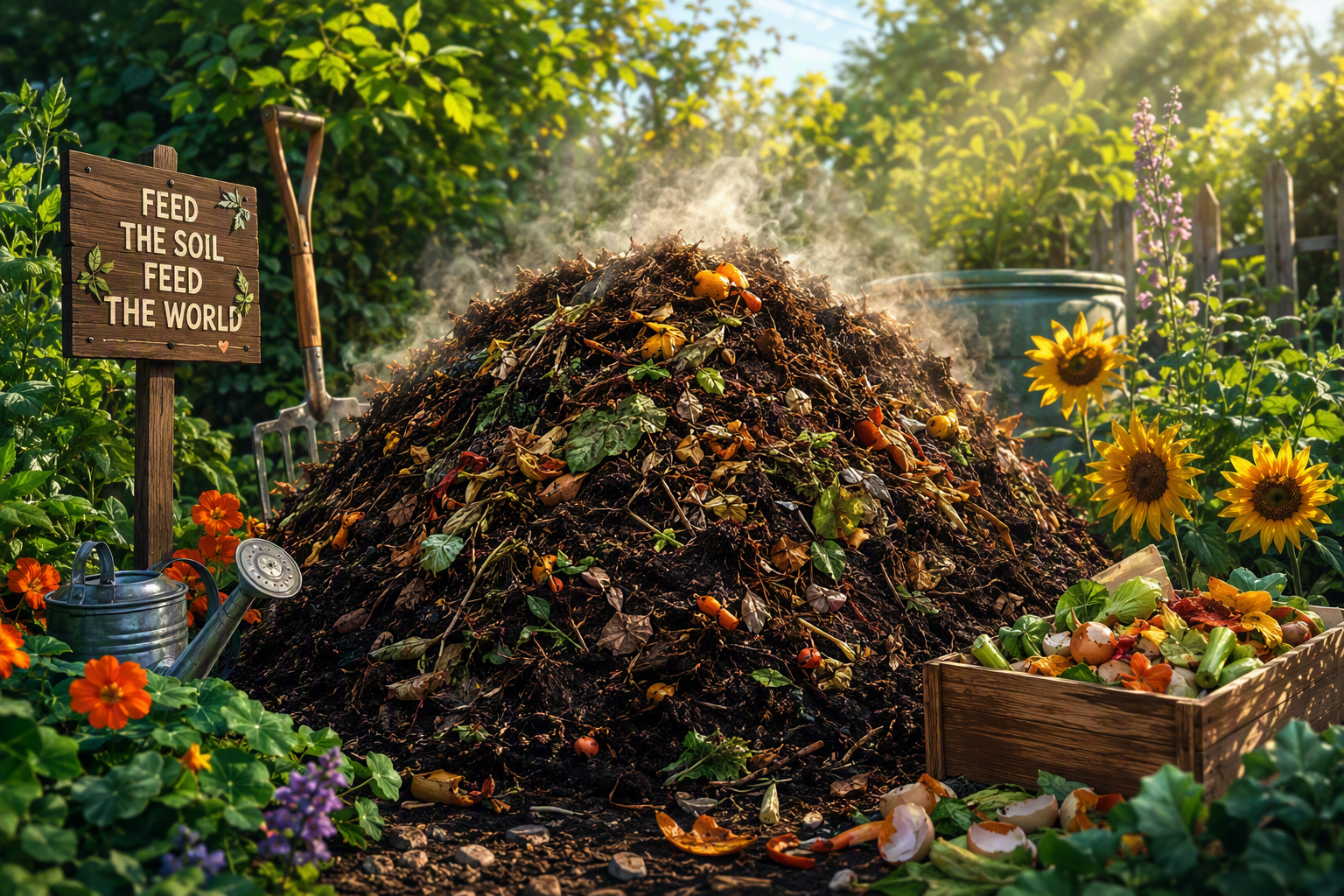
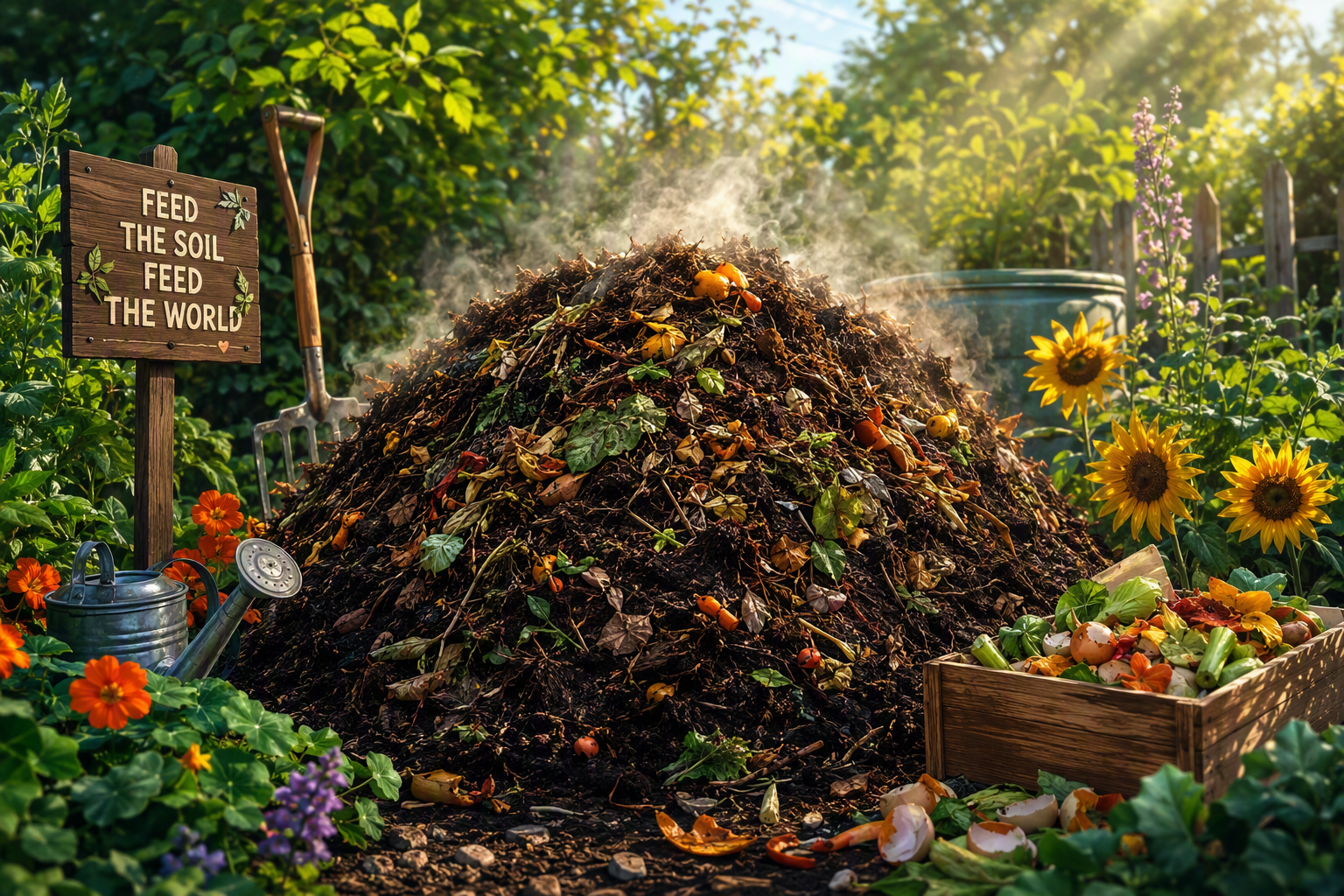
- A hot compost pile makes heat because tiny living things break things down during the decomposition process.
- The right mix of green material and browns helps your hot compost pile reach high temperatures.
- How big your pile is, the moisture, and airflow all help your compost pile heat up well.
- Turning and watering the compost on a schedule keeps the heat production steady and stops slow breakdown.
- You can use the heat from the compost pile in hot beds, greenhouses, and polytunnels for extra warmth.
- Easy fixes can bring a cooling hot compost pile back so the decomposition process can move again.
Introduction
If you want your compost pile of garden waste and kitchen scraps to do more than just sit and break down slowly, you should try hot composting. With hot composting, the organic matter in the pile breaks down much quicker. At the same time, the pile gives off warmth that you can use in your garden. This way, you help your soil stay healthy and make good use of the heat. It's important to know how to put the pile together, keep it balanced, and take care of it. When you do, the pile will stay active and not just sit there cold.
Understanding Hot Composting and Its Benefits
Hot compost is a type of composting process. It makes its own warmth inside, and this heat helps speed up the decomposition process. So, you do not have to wait many months. When the conditions are right, you can get finished compost a lot faster.
These high temperatures happen when living things break down waste in the pile. This faster work can help cut down on weed seeds and handle some other problems better. To use this process well, you need to know what makes the pile warm up. You should also learn how that heat can help your garden.
What Makes a Compost Pile Hot?
The heat in a compost pile comes from microbial activity. The bacteria and other small creatures in the pile feed on the organic matter. As they do this, they give off heat. If the compost pile has enough air, water, and the right mix of things, the heat stays inside and does not leave soon.
Green material like grass clippings and kitchen scraps is very important. It helps the microbes grow fast and keeps the decomposition process going. Browns are also needed. They stop the pile from getting too tight and wet. This way, air can get in and move around in the pile.
The size is important too. A larger pile can hold heat better. This helps the temperature of the pile go up faster. If the heap is too small, too dry, too wet, or not balanced well, heat goes away and things slow down.
Advantages of Capturing Compost Heat for Your Garden
A hot compost system helps you in two ways. First, it turns garden waste into a good soil amendment. Second, you get heat production from the pile while it is active. This heat can be very helpful in colder months when you need all the warmth you can get.
You do not have to set up anything complex to use it. Many gardeners try simple ways like these:
- building a hot bed under the place where you grow your plants
- making a pile that gives off warmth, which helps the crops that are close to it
That gentle heat can help protect the roots. It can support plant growth and make spaces feel a bit warmer. This will not replace all other ways to heat, but it is a good way to use the materials you already have. You can get more value from what you collect.
Essential Materials for Building a Hot Compost Pile
Your compost pile works best when you mix soft, wet things with dry, bigger pieces. This means you should save things like kitchen scraps and fresh leaves from your yard. Then, mix those with wood chips, dry leaves, or some shredded paper.
That balance lets the pile get air and keeps the composting process going. Coffee grounds give good fuel to the pile, and dry things keep it from getting too packed or too wet. Before you start, it is good to know what things are called greens, what things are browns, and how you can mix them together.
Nitrogen-Rich “Green” Ingredients
Greens are the main fuel for a compost pile to get hot fast. They give the part nitrogen that the little things in the pile need to grow in number. This is why greens help your compost pile heat up quick. If you see your pile is not getting warm, you should add more green material first.
Common green ingredients include:
- grass clippings and fresh plant clippings
- kitchen scraps and other food scraps, but do not add meat waste
- coffee grounds
Fresh materials are best because they break down fast and keep microbial activity high. When some plant clippings dry, they turn more into brown materials. So, the time you add them is important. To have better heat output, you should put greens in layers across the pile, not in one wet spot.
Carbon-Rich “Brown” Ingredients
Brown materials help keep the pile in shape and make room for air. They help keep everything balanced. These are not the main things behind heat production, but they are still important. Brown materials stop the pile from getting thick or smelly. If people do not add them, there will be less oxygen and heat production will drop.
Useful browns include:
- dry leaves and dried garden waste
- wood chips or sawdust
- shredded paper or cardboard
These materials break down more slowly than greens. But they help the rest of the organic matter compost in the right way. Browns also help air flow into the center of the pile. This makes it easier for microbes to stay active. If your heap is wet or smells bad, adding more browns is usually the good answer.
Ideal Ratios and Layering for Heat Production
To help your compost pile heat up well, start by adding more brown materials than green material. A good rule is to use two parts brown materials for every one part green material. You do not have to worry about every bit you add, but the nitrogen ratio should be more toward the browns.
Layering is good for the decomposition process. Start by putting down a thick brown layer. Next, add green materials and more browns one after the other. As you build, add a little water. The pile should feel like a wet sponge, not too wet or soggy.
Material Type | Examples | Role in Heat Production |
|---|---|---|
Green material | Grass clippings, kitchen scraps, coffee grounds | Feeds microbes quickly and supports fast heating |
Brown materials | Dry leaves, wood chips, shredded paper | Adds structure, airflow, and balance |
Starting n ratio | About 2 parts browns to 1 part greens | Helps the pile heat without getting slimy or stalled |
Step-by-Step Guide to Building a Hot Compost Pile
A hot compost pile gives the best results when you plan it well right from the start. Where you put the compost pile, how big it is, and how you stack what's inside all help with heat production. If your compost bin is too small or in the wrong spot, even good stuff inside may not turn into hot compost as well.
Think step by step. First, get the area ready. Next, make a big pile with the right mix. Then keep it working by turning and watering it on time. These steps are what make the pile hot instead of slow and cold.
Site Selection and Preparing Your Space
Pick a spot for your compost pile that is easy to get to. A place you can reach often is best. This matters more if you want to turn the pile every few days. When you do hot composting, you need to do more work. It is not a “set it and forget it” thing. Easy access will help you keep the compost pile working well.
A practical location should include:
- It is good to have a water source nearby. This makes it easy for you to control the moisture.
- You need enough room. This helps you build and turn the heap without making it feel crowded.
Shelter is helpful, and some people use full sun for their compost, but the main thing is to manage it the same way each time. Put a thick layer of something big at the bottom of the pile. You can use straw, twigs, or other rough things to help air move through. Stay close to your pile so you can add your garden waste, check how warm it gets, and move things from side to side if you use two bins.
Assembling Your Pile for Maximum Heat
Build for size and balance. A larger pile keeps heat in much better, and you will see that the best size to use is about 1 cubic meter. Small heaps do not hold heat well. If you use a tiny stack in the corner, do not expect it to give you high temperatures.
As you assemble, focus on:
- Try to keep a good nitrogen ratio, and add more browns than greens.
- Layer the materials instead of putting just one kind in a thick block.
- Moisten each section a bit as you go.
You can add some soil or finished compost to help get microbes started. After you build the larger pile, water it well and turn it. Then, let it sit for four days. When four days are up, check if there is more heat inside. With the right mix and a larger pile, you are more likely to feel strong warmth in the middle.
Turning, Watering, and Maintaining the Hot Pile
Maintenance helps keep the composting process hot. In hot composting, after you start, wait four days. Then, turn the pile. Keep turning it every two days for about two weeks if you want to use the hot composting method. This way, you add air and make the microbes go back to work.
Two basic tools make this easier:
- A garden fork can help to lift and mix the heap.
- A compost thermometer lets you check the inside temperature.
Check the moisture content each time you turn the pile. The pile should feel like a damp sponge that has been wrung out. It should not be dusty and it should not be dripping with water. If you see it is drying out, add some water. If it looks soggy, put in some dry browns. This way, you stop heat loss, and you keep the pile from packing down. It also helps the pile stay active until the compost gets dark and even.
How to Capture and Use Compost Heat
When your hot compost pile starts to feel warm all the time, you can put the heat to use. The goal is not to try for high heat, but to use the heat output from your compost pile in simple ways. You can find good and easy ways to use this natural heat around your growing area. The hot compost is strong, and you can get a lot from it.
Most ways use simple heat transfer. You can put your plants above the heat, by it, or send that heat with air or water. The next choices will show you how gardeners use heat from compost. You do not need to make the setup a hard project.
Simple Ways to Harness Compost Heat for Your Garden
Yes, you can use simple ways to get and use heat from compost. The simplest way is to leave the pile where it is. The beds near the pile can feel the warmth coming from it.
Another way is to make a hot bed. In this setup, the material that breaks down gives off heat. This keeps the growing area on top of it warm.
Practical low-tech ideas include:
- You can build a hot bed under the place where you want to plant things.
- Put the pile near crops that may need the pile to help keep them safe from frost.
- A pipe can move warm air or hot water from a big heap to another spot.
Smaller pieces in the pile can give you more surface area. This makes the materials break down faster. When that happens, heat production goes up. These setups may not make a lot of energy, but they do give a gentle and steady boost. This can really help seedlings and crops in the winter.
Using Compost Heat in Greenhouses and Polytunnels
You can heat a polytunnel by using hot composting. A good compost pile can get up to 130 to 150 degrees fahrenheit. This heat helps make the area around your plants warmer. Hot composting can be the support that your plants need to grow well.
One way to do this is to put the pile inside the greenhouse or polytunnel. Pick a spot that is safe from wind and away from the doors. Another way is to use a pipe. You can run the pipe in your outside pile and let warm water or air move into the greenhouse. No matter which you pick, you must use the right mix of green material and browns. Make sure you have the right amount of air and water, too. This helps the pile work well.
You should keep your expectations real. Compost heat will not always warm the whole space by itself. But, it can help lower frost risk, help plants in winter, and work well with things like insulation, covers, and other ways to keep heat in.
Common Issues with Hot Composting & Troubleshooting Tips
Even if you have a good compost heap, it can cool down or not get hot enough if something is not right. Hot composting needs air, enough water, the right size of pile, and the right mix of things put in. If any of these are not in balance, the decomposition process will slow down. Heat loss will happen, and the pile will not work the way it should.
The good news is that most of the problems can be fixed. A cold pile does not always mean that you failed. Most times, it means your heap needs to be bigger, or there should be more green items in it. Maybe it needs more water, or you can turn it over to get it working again.
Why Isn’t My Compost Getting Hot?
If your compost pile is not getting hot, there could be a few simple reasons. The main ones are not having enough green material, not enough water, low airflow, or the pile is too small. Any of these problems can make the microbial activity slow down and this will lead to less heat output.
Check these first:
- Is the nitrogen ratio very low because there are too many browns in the pile?
- Is the heap not big enough to act like a larger pile that can hold warmth?
A dry pile stops working because the small things in it need water. A pile with too much water does not get enough air and slows down. When the weather is cold, that can make things go slow as well. But how you build it matters the most. If you fix how much water or air there is, and build up the pile the right way, most piles start to heat up again pretty soon.
How to Revive a Cold or Slow Compost Heap
You can often help a cold compost heap come back to life by making some simple changes. The advice says two main things work best. First, you should turn the pile. Second, add water until the compost is as damp as a wrung-out sponge. This can get heat production going again in the compost heap.
If the pile is still not breaking down well, you can try this hot composting method:
- add more green material like grass clippings or coffee grounds
- rebuild the heap so it is tighter and forms a larger mass
- lightly water it from a nearby water source while you mix everything
You can also put in a bit of finished compost or soil to help start things off. If the heap has too much water, add some shredded paper, straw, or other brown materials. As the mix gets better, the microbes will get back to work. Then the pile can heat up and get going again.
Conclusion
To sum up, building a hot compost pile does much more than help your garden. It can also give you a steady source of heat for many gardening tasks. If you know the main materials, get the right mix, and keep up with simple care, you can set up a good compost system. A hot compost pile will hold heat and work well for you. If you run into any problems, try to fix them as you go. Also, feel free to try new ways to see what works best for you and your garden. If you want to take your compost pile to the next level, you can ask for a free chat with us. We want to help you get the best from your hot compost pile and hot compost.
Frequently Asked Questions
How long does it take for a hot compost pile to start heating up?
A hot compost pile can start to get warm within one to three days if the microbial activity is strong and the mix is just right. You can check the temperature of the pile after about four days. If everything is going well, you should see high temperatures building up during the decomposition process. This is a sign your hot compost pile is working the way it should.
What tools make hot composting easier?
The most helpful tools for this are a compost thermometer, a garden fork, and a water source that is easy to get to. A compost bin or a setup with two bins can also help you keep things in order. If you chop your materials into smaller pieces before putting them in, your compost pile can break down faster and heat up the same all over.
Can compost heat be used for home heating?
Compost heat can be used by simple heat transfer methods. One way is to run pipes through a big pile of compost. Air or hot water can move through the pipes and get warmed up this way. Most of the time, people use this heat for gardens, greenhouses, and polytunnels. The heat output helps with many needs, but this way is not enough to heat up a whole home.