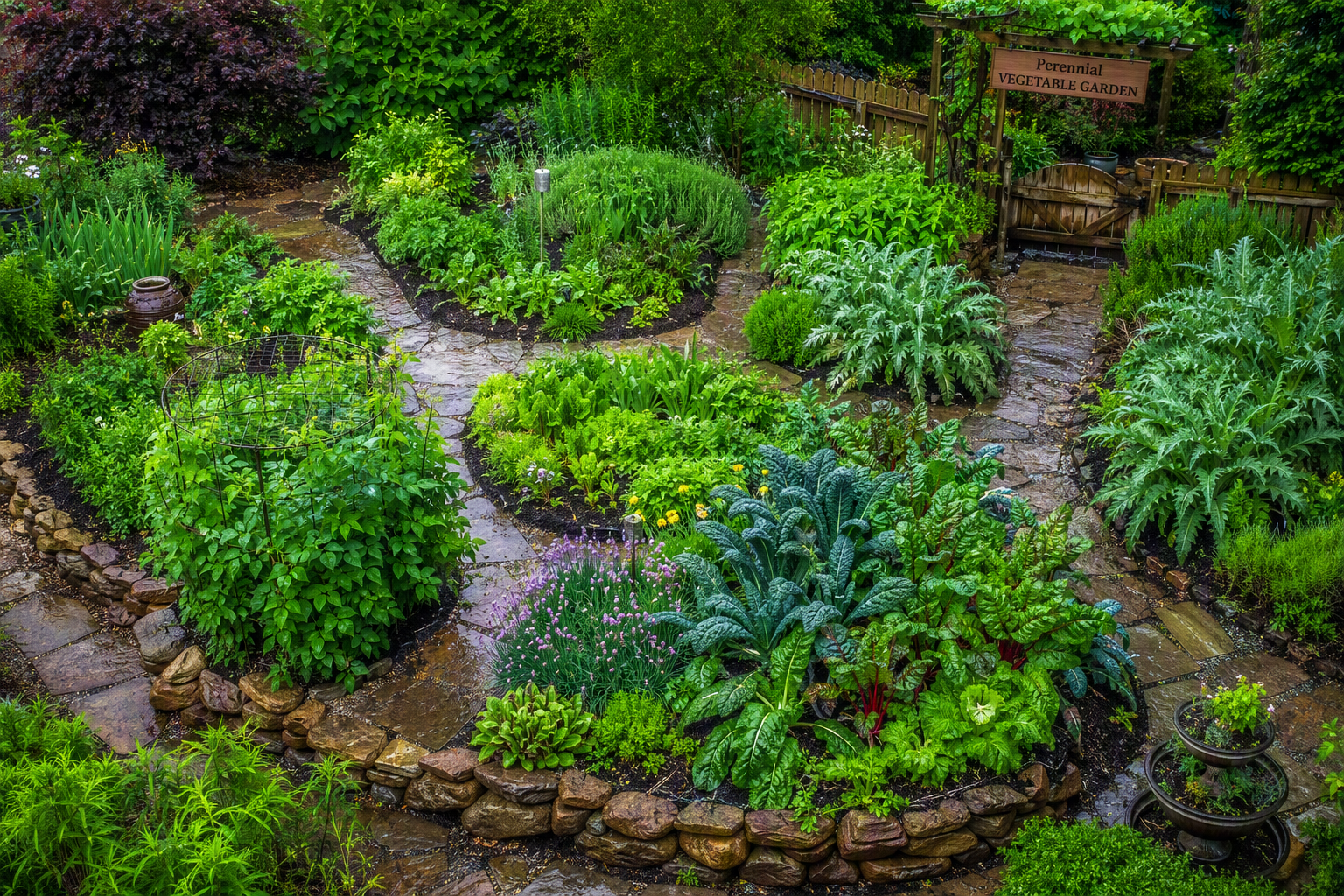
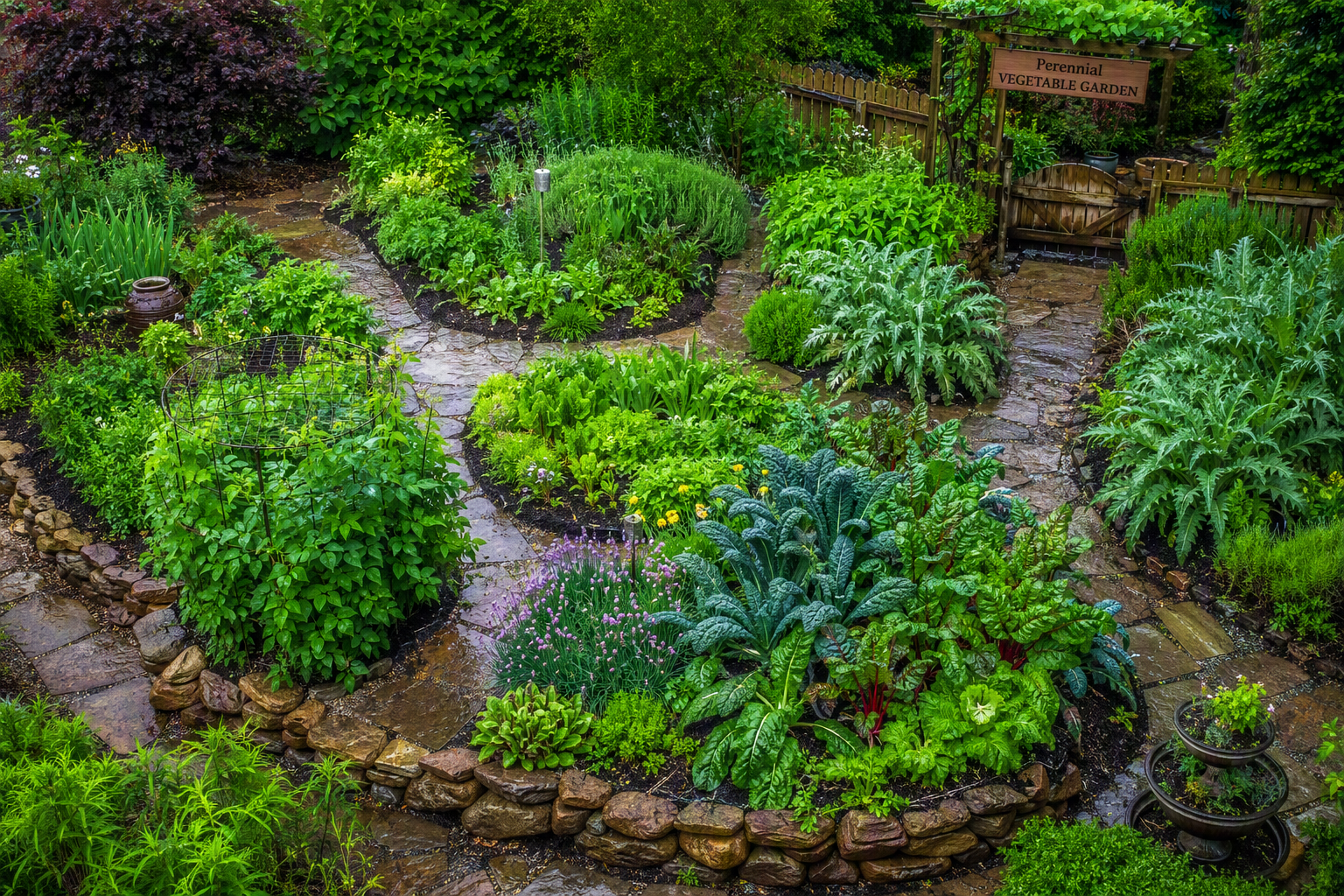
Key Highlights
- Perennial vegetables are a great choice if you want food to come back next year with less work in replanting.
- Many of these plants, from asparagus to sorrel, grow well in a home garden. They need full sun, rich soil, and lots of organic matter to do their best.
- A few crops show up in early spring. They fill in gaps before the main growing season starts.
- You can pick flower buds, flower stalks, salad greens, and even edible flowers from them.
- Some perennial plants need their own space. Others fit well with the rest of your garden.
- A perennial garden gives you fresh flavor during harvest season, better than what you get at the local grocery store.
Introduction
Perennial plants can help make your own garden simple and fun. Instead of planting new crops every growing season, these plants come back each year. This means you do not have to replant again and again. You can get a steady supply of food from your home garden. Some of these perennial plants like to grow in full sun. A few may not give you much in the first year, so you have to wait. Others grow fast and give you fresh leaves early.
You may like wild sorrel or another perennial green. Or you can try something different, like New Zealand spinach. Choosing a perennial garden is a good idea for people who want an easy and lasting way to garden.
The Forever Garden: Best Perennial Vegetables to Grow
If you want a simple list of common perennial vegetables for a home garden, you can start with globe artichoke, asparagus, rhubarb, Jerusalem artichoke, horseradish, sorrel, sea kale, walking onions, and watercress. These kinds of vegetables can grow back through the growing season. They will come back again next year after you plant them.
Some of these give you salad greens. Others offer flower buds or flower stalks. A few will give you roots or even edible flowers. When you grow them in full sun with rich soil and some organic matter, many of them can be a great addition to a perennial garden. A lot of these taste better than what you get at the local grocery store. With some smart planning, they fit in well with the rest of your garden.
1. Asparagus
Asparagus is one of the most familiar vegetables that grows back every year. A lot of people think of this plant first when they plan a perennial garden. The best part is you get fresh asparagus spears in early spring. This is the time when you really want something green and grown at home.
There is one thing to keep in mind. You need to be patient. Do not pick any asparagus in the first year. Many gardeners wait until the asparagus bed is strong before they pick much. But after you wait, your asparagus bed can keep making food for you for many years. It can even last for decades.
Give these perennial plants a spot where they get full sun. They do best if you plant them in one spot and do not move them. If you are new to growing things, asparagus can still be a good plant for you. You just need to know that during the first growing season, you will need to wait and think about the long term.
2. Rhubarb
Rhubarb is a well-known plant that you can grow every year. It adds strong color to your home garden when you plant it. You will see its bright stalks come up in early spring, so you know that winter is over. A lot of people use rhubarb like fruit when they cook, but it is a vegetable.
You need to know one thing: do not eat the leaves. The stalks are good, but the leaves can be harmful. Rhubarb takes some time to grow well. You can usually get a small harvest by the next year after you plant it.
This is a large plant, so make sure to give it some space. It will grow well when you put it in full sun and rich soil. This plant does best where the summer is not too hot. If you want vegetables that come back each year and do well, you should pick rhubarb. It is a good choice because it looks nice and will grow the way you want.
3. Globe Artichoke
Globe artichoke is a plant that really stands out in the garden. The globe artichoke is a perennial vegetable, so it will come back every year if you have the right weather. You can get big flower buds you can eat. These globe artichoke flower buds look and feel special, both in your garden and when you use them in your kitchen.
It is best for the artichoke to grow in warmer places. Some people help their plants live through winter by keeping them safe or by growing them in big pots and moving them inside. During the growing season, artichokes need good soil. They need to be fed often. Each one also will need a lot of space because these plants get big.
For a perennial garden, this can be a great addition if you have space for it. If you do not pick all the buds, the flower stalks will grow and show off the blooms. The flowers will stand out. This mix of beauty and harvest is something many people notice.
4. Horseradish
Horseradish is one of the easiest vegetables that comes back every year. This makes it a good choice if you are new to growing plants. If you want something strong and reliable in your home garden, you should think about this plant. It does not need much care once it begins to grow.
The root is the part everyone wants most. It gives a strong, earthy flavor that many people love. It grows well in rich soil. This plant can grow in partial sun, but it also does well if you give it more light. One thing to watch out for is how much it spreads.
Horseradish can spread fast, so it is best to grow it in a container. This way, you will find it easier to control. The plant is a perennial herb and grows strong. When you keep it in one spot, you can set it up and not think about it much.
5. Jerusalem Artichoke (Sunchoke)
Jerusalem artichoke, also known as sunchoke or helianthus tuberosus, is a plant from the sunflower family. People grow it for its tubers that are found underground. Many gardeners have not tried to grow this plant yet, but it can give you good results, and it is one of the perennial vegetables that keeps coming back every year.
The plants get tall and do best when they are in full sun. They like soil that has organic matter in it. In a perennial garden, it is good to put them near the edge or give them their own space. They can spread out and stay for a long time.
By late summer, the Jerusalem artichoke plants look very good, and you will pull up the tubers after that. People often say you should leave some tubers in the ground so they grow back the next year. If you want food that is easy to grow and tastes a bit different, Jerusalem artichoke is a good choice.
6. Good King Henry
Good King Henry is talked about as a smart choice for your home garden. This is because you can use it in more than one way. Like many other plants that come back every year, it gives people strong greens without planting it again and again. A lot of people who want their home garden to do well like how Good King Henry keeps growing each year.
You can think of it as one of those perennial plants that people like to have in a mixed garden. Many people grow it for its leafy growth, since these young leaves can be used as salad greens. A lot of gardeners also notice that its flower buds are something they can eat as well.
Because Good King Henry stays where you plant it and fills the space nicely, it is an excellent ground cover to have. If you want a garden that gives you a mix of new and familiar tastes, Good King Henry is a smart pick. It is an easy plant to take care of and works well for this use.
7. Sea Kale
Sea kale is a very good vegetable that comes back every year. People like it because you can eat several parts of the plant. You will not see it be common in your grocery store, but gardeners really value it. This is because sea kale lets you get food many times in different ways.
In a perennial garden, sea kale can give you many things over the year. You get young leaves, blanched spring shoots, roots, and flower buds from the same plant. If you cut the unopened flower buds before they open, you can use them the same way you use broccoli. That means the sea kale plant can do a lot for you.
Give sea kale a spot with full sun and space to grow well. This plant is a perennial green, and it really stands out. It is not the same as caucasian mountain spinach, but it will give you good greens from a planting that lasts for years.
8. Walking Onions
Walking onions are a fun plant for your garden. They grow back year after year. Instead of growing a regular flower, they make small bulbs at the top. When these bulbs get too big, the flower stalks drop down to the soil. The bulbs touch the ground and start to grow as new plants. This is what makes walking onions special.
That habit is why they have that name. During the growing season, you will see them move through the bed by themselves. In a perennial garden, they are a good way to have onions come back each year without you having to do much.
You can use the green tops as you would chives, or pick the small bulbs. The bulbs are often more strong and small than standard onions, but they are easy to grow. Because they multiply fast, you do not need to use stem cuttings or any tricky steps to keep them growing.
9. Egyptian Onion
Egyptian onion is a lot like walking onions. It grows new bulbs at the top instead of a flower. This way, the plant keeps growing back every year. It does well in a perennial garden.
This is a good choice among perennial vegetables. It is useful if you like alliums but do not want to plant them again every year. Top sets grow where many people think there will be flower buds. As the flower stalks grow, they bend over because the new bulbs get heavy.
To get the best results, plant Egyptian onion in rich soil and let it take root. You can choose to pick the greens, gather small bulbs, or let this onion spread out on its own. If you want an onion that needs little care, this one is a good choice.
10. Sorrel
Sorrel is a good choice if you want a perennial vegetable that is easy to grow. It will return every year, so you do not need to plant it each time. Sorrel gives you tender leaves with a bright, lemony tang. This taste can make salad greens more lively and fresh.
This is a perennial green. The best thing about it is that you can use it in more than one way. You can eat it fresh. You can stir it in soup. You can also use it much like a citrus-flavored herb. The sharp taste is what people remember. It is a big reason why gardeners like to grow sorrel.
In a perennial garden, sorrel stands out between greens you know well and new tastes you may want to try. Wild sorrel and others like it all add a sharp flavor. If you want something good that is easy to grow, has nice flavor, and grows a lot, wild sorrel is a smart choice.
11. Watercress
Watercress is a strong pick if you are looking for perennial plants. It is easy to grow and will keep coming back each year. But there is one thing you should know. Watercress likes soil that stays wet all the time. It grows best when the ground is almost like a swamp. This is not like most other edible perennial plants, which do not need as much water.
The taste is strong and spicy when the leaves are still young. After you cook it, the flavor turns soft and not as strong. This means you can use it in many ways for cooking. You can add it to a sandwich if you want a sharp taste. Or, use it as a mild green for a warm meal.
For a home setup, many people grow watercress in a pot. They put this pot inside a bigger container that holds water. This way it gets all the water it needs. Watercress can also grow well in partial shade. So, if your garden has a damp spot that does not get full sun, you can use that area. To grow watercress, the two main things you need are rich soil and steady moisture.
12. Welsh Onion
Welsh onion should be a part of any talk about good plants that come back every year. Many people who grow food at home already know about bunching onions. Instead of growing big bulbs, this type is good because you can keep cutting the green parts again and again.
In a perennial garden, Welsh onion is a good choice for a perennial herb. You can cut the tops when you need them, and the plant keeps growing. This means you do not have to do much work. It is a great pick for gardeners who like to cook a lot and want fresh flavor right nearby.
It also has a bit more charm if you let it grow for a while. Alliums are nice to look at, even after you harvest them. Some people enjoy the look of their edible flowers, which show up on these onion types. If you have a small garden and use onions often, Welsh onion is a good choice.
13. Daylily
Daylily might surprise you if you see it on a list of perennial vegetables. Still, it is one of the plants that will grow back every year and be good to eat for a long time. Daylily is a good choice if you want something for your garden that is both useful and nice to look at.
The parts people talk about the most are the flower buds and the flowers. This is what makes daylily stand out from root crops or plants with leaves we eat. If you have a perennial garden, it can bring some change because you get a harvest from a different part of the plant.
Daylily is already seen in many yards, so it can fit into a home garden and not look strange. If you want a plant that gives you edible flowers and also looks nice, this is a good pick. It is one of the most interesting choices to think about for your space.
14. Dandelion
Dandelion is a plant that many people ignore, but it should have more value. This low-maintenance vegetable comes back every year on its own. It does not need much from you. Over the season, you can use it in several ways in your food.
Young leaves can be used as salad greens. They give a stronger taste that some people like. The plant gives edible flowers, too. You can also eat the flower buds, which many people enjoy for their own taste. That flexibility is the reason these long-lived edible plants stay so good for real gardens.
Dandelion is a perennial herb that is good for people who like plants that are easy to care for. It might seem like a common plant, but that is what makes it better. If you want a tough plant that gives you food and does not need a lot of work, dandelion is a good choice.
15. Chinese Artichoke
Chinese artichoke is not a vegetable that many people grow. It is not as popular as asparagus or rhubarb. This is what makes it special for those who like to try new things in their home garden. If you want something different, Chinese artichoke could be good to grow in your space.
Like some other unusual foods, this plant does well when you give it a set spot in a perennial garden. This way, you can watch it grow each year and enjoy it as part of a plan that lasts a long time. This is better than using it for just one season and forgetting about it.
Even if people grow a crop mainly for what is under the ground, they still notice things like flower buds and how the plant grows. The Chinese artichoke is a good example of this. It is one of those foods that takes more time, a bit more room, and the want to try something new, not just what people always get from the shop.
16. Groundnut
Groundnut is special among perennial vegetables because you get more than one thing you can eat from it. Both the beans and the tubers are useful, so you can use more than one part of the plant in your food. This makes it a good choice for your table.
This vine grows well in full sun or even in partial sun. It likes rich soil with lots of organic matter. Adding compost to the soil is good for this plant. Since it needs to climb, you should make sure there is some support next to it. A fence, trellis, or some other strong thing in a perennial garden will help it grow up.
The plant is known to give a lot, but you still need to be patient. Most of the time, you will have to wait one or two years before you get a good harvest. People do not grow it mainly for the flower buds. The way it grows over time is what makes groundnut a good crop to remember for the long run.
17. Skirret
Skirret is an old plant that goes well in a perennial garden. This plant gives steady returns over time. It is not as common as some other crops today. Still, a lot of these perennial vegetables should get more care and notice than they do now.
Plants like skirret are appealing because they last a long time. They don't just fill space for one growing season. These are perennial plants, so they stay in the garden and become part of it. This helps make garden planning easier as time goes on.
Even if flower buds are not what you take from the plant, they are still a part of the plant. They come back every year and remind you that this is a living thing. Gardeners who want to grow different plants that you can eat and that will last should check out skirret.
18. Lovage
Lovage is often seen as one of the useful kitchen plants. It is a perennial vegetable, which means it comes back every year. The plant keeps giving a strong flavor for a long time. If you like to use herbs that can do more than one thing, you will find this one easy to like.
Lovage is a perennial herb. You can grow it in a perennial garden close to your kitchen or put it in the herb part of your yard. The leaves of lovage can be used just like salad greens that have a strong taste, or as flavor in soup. You get fresh flavor every year, so you do not have to plant it again each spring.
The plant goes through changes each year. It gets flower buds and can grow tall. This makes it stand out and also be helpful in the garden. If you want to grow food and have a garden that stays strong, lovage is a good choice. It brings depth and gives you a harvest you can count on.
19. Perennial Leek
Perennial leek is a good choice for people who want to grow alliums in their home garden. This plant comes back every year, so you can keep getting more. It is like other plants in the onion family. People add it to their garden when they want many small harvests over time, instead of one big crop for the season.
In a perennial garden, this type of leek can give you the same taste you know. You will not have to plant it again every year. That is a good thing if you want to set up beds with steady perennial vegetables instead of growing all annual plants.
Give the plant a good spot that gets full sun. Make sure it has enough space so it can settle in and grow well. Over time, the plant will go through its normal growth cycle. This will include making flower buds. If you want to grow edible plants that are simple to use in your cooking, you should try perennial leek. It is practical, easy to recognize, and goes well in many dishes.
20. Ostrich Fern (Fiddleheads)
Ostrich fern is a plant people grow for its fiddleheads. These are young, curled shoots that show in early spring. At this time, not many other vegetables are ready, so ostrich fern can give you something fresh while most gardens are still starting up.
This plant grows in the understory of temperate forests. So, it fits better in gardens that feel like the woods and are not sunny, like where globe artichoke or asparagus grows. In a perennial garden, it is a good choice for spots that have more shade and look like a woodland area.
For gardeners who live in the cold areas of the US, they can feel encouraged by how ostrich fern grows. The plant does not need much heat or open sunlight. If you want to grow more crops and use different garden spaces, ostrich fern gives you an early and special option to pick.
21. French Sorrel
French sorrel is a great reason to grow vegetables that come back every year. It comes up again each season, and it gives a sharp and fresh taste that is hard to get from other things. The leaves have a strong lemony tang that goes well with rich foods.
You can add it to salad greens, put it in soups, or serve it with fish, eggs, chicken, and easy potato dishes. This way, you see it is not just a new thing to try. A lot of gardeners find many ways to use it in their daily meals once they start.
French sorrel is a green that grows back every year. It gives a strong taste but does not take up much space. You can use it in your perennial garden because this plant needs very little care and gives you a lot. If you are looking for one different plant that is still handy, French sorrel is a good choice.
22. Scarlet Runner Bean
Scarlet runner bean is often picked for a home garden because it looks good and you can eat it too. When you look at a list of perennial vegetables, this plant stands out. It lives for more than one year, so you get to use it again and again. It helps make a home garden feel lively and full of life, while also being useful in the kitchen.
Vining plants grow well in a perennial garden if you give them things to climb. This helps you use up-and-down space for growing food. It also lets you fit more plants that you can eat, without making the lower beds feel packed.
Many gardeners like beans like this because more than one part of the plant is nice during the season. You can enjoy the young growth, the flower buds, and later, the picked beans. If you want something that stands out and is useful, the scarlet runner bean is a good choice.
23. Turkish Rocket
Turkish rocket is a type of plant that many people do not use enough. It grows every year and can come back on its own. People who like strong tastes in their food often want the turkish rocket in their garden. Since it is part of the mustard family, the taste is a lot like other strong greens and herbs that you may know.
That family link can help if you like crops that have a bit more bite to them. In a perennial garden, Turkish rocket gives you something new to try. It can add more taste and feel to your garden as the years go by.
Like other crops that keep growing for many years, the time of year is important. Flower buds are part of the plant’s cycle, and they are one reason why people pay attention to it. If you want a good crop that stands out, Turkish rocket should be part of your plan.
24. Chayote
Chayote is a good option for warmer climates. This is because it does well where there are long seasons. The plant can do well as one of the tender perennial vegetables. If you live in an area with this kind of weather, chayote may become a helpful plant for your perennial garden.
Like many strong plants you can eat, it needs some planning. Have the spot ready and make sure it gets full sun. Give it space and something to hold onto so it will grow well. This way, it gets the chance to grow for many years, not just for one season.
The plant goes through stages each year, like when flower buds show up before the harvest. These steps help you see how your plant is doing. If you live in a mild place, chayote can be a good plant to keep for many years.
25. Tree Collards
Tree collards are picked by many because you can get leafy greens from them again and again without having to plant new ones all the time. That is why they stand out among vegetables that grow each year. If you have a home garden and like to cook and pick fresh greens often, these are a good choice.
In a perennial garden, these plants work like other reliable salad greens. They keep giving fresh leaves all through the year. You can use the leaves for salads or cook them, as you like. This steady supply is one of the main reasons to grow these lasting foods.
As the plants get older, they go through several stages you can see. This includes making flower buds. Even when the leaves are the part you want most, these stages show that the plants take time and grow at their own speed. Tree collards are a good choice for steady leafy growth—it's hard to find a better one.
What Makes a Vegetable Perennial?
Perennial vegetables are the kind of plants that you do not have to plant again every season. These perennial plants grow both above and below the ground. They come back next year after taking a break during the cold months or when they rest for a while.
The main thing you see in a perennial garden is how crops grow in the first year. In that first year, some will spend time making roots or crowns. They do not always give you a big harvest. After that, they come back again. They grow new leaves or flower buds. They can also be easier to care for than annual crops.
Lifecycles of Perennial vs. Annual Vegetables
The main difference is about timing. Annual vegetables grow and finish in one growing season. You plant them, pick what grows, and then you start again from the beginning. Perennial vegetables stay alive and they come back each growing season.
The longer growing cycle of perennial plants changes what you expect from them. In the first year, these plants spend their time getting settled in the ground. Harvest season might feel light at first, but you get a reward later. You will not need to plant the same area over and over with perennial plants.
Type | First year | Later seasons | Harvest season |
|---|---|---|---|
Annual vegetables | Planted, grown, and finished in one cycle | Must be replanted | Usually one main season |
Perennial vegetables | Often establish roots, crowns, or rhizomes | Return on their own | Repeats across later years |
Practical result | More yearly setup | Less repeated planting | Long-term production |
Why Perennial Vegetables Are Low Maintenance
Many people who grow plants like perennial vegetables because they do not need much care after they start growing. You need to plan early and find a good place for them. Then these plants will grow back each year by themselves.
That does not mean you leave them without care. They still need rich soil, some added organic matter, and enough space so they can grow well. A few plants, like horseradish or sunchokes, may have to be put in containers. This stops them from spreading too much. A smart setup is what keeps everything simple.
The real benefits show up next year and the year after that. A perennial garden has plants that come back on their own. You do not need to plant new seeds every spring in this garden. It saves you time. You do not have to do the same work over and over. Gardening also feels easier and more efficient with a perennial garden in place.
Tips for Growing Perennial Vegetables in the US
Start by picking plants that fit your climate and space. Some vegetables, like globe artichoke, will need mild weather unless you can cover them in the winter. There are others, like ostrich fern or rhubarb, that grow better in cooler air. Think about light as well. Some plants want full sun all day. Others will grow with partial shade or more damp ground.
Just as important, you should give your perennial plants a set spot in your home garden. Many of these plants last for years. So, when you plan your perennial garden, think about how you want to use it for a long time. In your own garden, this could be done by having beds just for these plants. You can also use edge plantings or put stronger growers in containers. Once you set up this structure, each growing season will be easier.
Site Selection, Planting, and Care Overview
Good site selection is the base for success with perennial vegetables. These plants stay in the same place for many years. So, you need to choose the spot with care before you plant. Think about the size you may want, the light they will need, and if they could spread.
A good perennial garden starts with healthy ground. The plants need rich soil that has a lot of organic matter in it. Some garden crops also need space so they do not feel crowded. Give the roots time to grow strong. That way, the plants will be better for you next year and after that, too.
- Pick spots where you want long-lasting crops like asparagus and rhubarb to stay for good.
- Put strong-growing plants such as horseradish and jerusalem artichoke in containers.
- Make sure you match each plant’s need for sun, from full sun beds to shadier, damp places.
- Put compost or other organic matter in the planting spots to make them better.
- Check each plant’s stages, like the time when flower buds show, so you can harvest when it is best.
Conclusion
To finish, growing a forever garden with perennial vegetables can be a good and lasting idea for any gardener. When you know about the special ways these plants grow, you will get a lot of food with less work each year. There are many kinds, from asparagus to chayote, and each one brings a good taste and helps you eat healthy food. When you grow perennials, you don't just make your meals better, but you also feel more in touch with nature. If you want to try it, you may want to ask for a free talk to find out what plants will work best in your garden.
Frequently Asked Questions
Which perennial vegetables are easiest for beginners to grow?
For people who are new to growing food, the easiest vegetable plants to start with are sorrel, horseradish, and walking onions. You can pick sorrel if you want a good and steady perennial green in your garden. Horseradish is also a great choice, because it is so easy to grow. Asparagus can be planted in a spot with full sun. In the first year, you need to be patient with it. But if you care for it, you will get a better crop next year.
Can perennial vegetables survive cold climates in the US?
Yes, some perennial plants do well in cold places. Asparagus, rhubarb, sorrel, and ostrich fern are great examples. These plants come back after winter. In many cold areas, you can get a harvest season earlier. When you have these plants set up, you can count on them to grow again next year.
Can I grow perennial vegetables in containers or small spaces?
Yes, several perennial vegetables can grow well in containers. Some plants, like horseradish and jerusalem artichoke, spread a lot, so a container helps to keep them in one spot. You can use containers in your home garden if you have little space. A container is a great addition because it gives you more control. You get easier upkeep and long harvests, and you do not need a full garden bed.