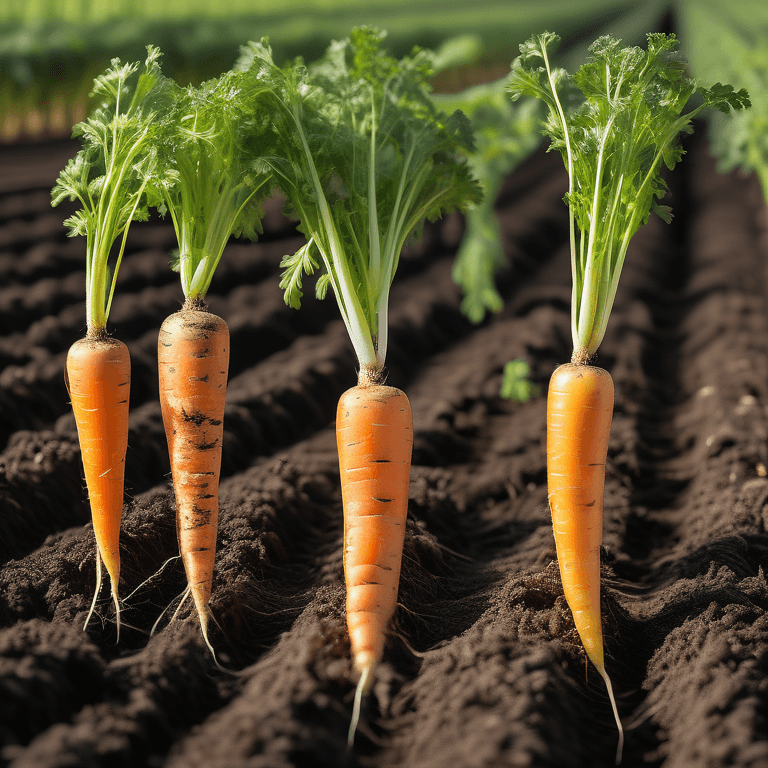
Carrots Growth Stages: Mastering the Step-by-Step Guide
Key Highlights
- Carrots are biennial plants that can be grown in two seasons.
- The stages of carrot growth planting, germination, formation of true leaves and taproot, vegetative growth, and harvesting.
- It is important to choose the right soil conditions, provide proper watering, and address common growth challenges to ensure successful carrot growth.
- Carrots take about 55 to 65 days to reach maturity and can be harvested when the shoulders of the root crops are visible above the soil.
- Carrots can be stored for long-term or short-term use depending on the desired shelf life.
Introduction
Carrots, with their vibrant hues and versatility, entice many to try their hand at growing them. Understanding the various growth stages of carrots is essential for a successful harvest. From germination to harvest, each phase plays a crucial role in the plant's life cycle. Carrot growth involves intricate processes like taproot development and leaf expansion that require a gardener's attention. Navigating through planting, watering, and soil conditions is vital for optimal growth. By grasping the nuances of carrot growth stages, home gardeners can cultivate healthy and abundant crops. This guide delves into the intricacies of nurturing carrots from seed to maturity.
Understanding Carrot Growth Stages
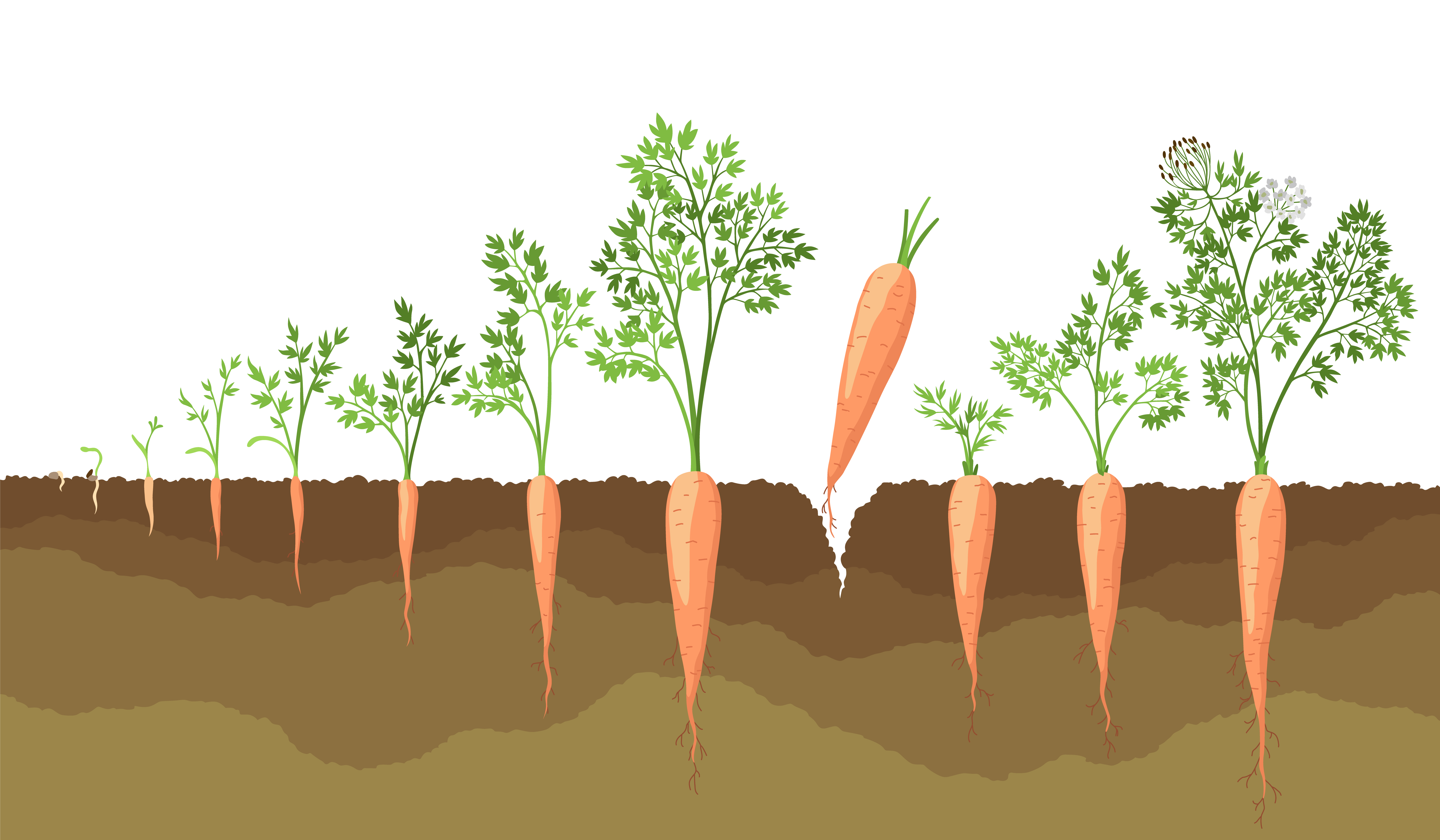
Carrot growth stages encompass the life cycle from planting to harvesting. Germination marks the beginning, with the emergence of the taproot as a seedling. Carrot plants progress through vegetative growth, developing true leaves and a robust root system, crucial for nutrient absorption. Gardeners monitor soil moisture, ensuring optimal conditions for growth. Carrots transition to the flowering stage in their second season, culminating in their maturity for harvest. Understanding the intricacies of each growth phase aids in maximizing yield and quality. With knowledge of NLP terms like photosynthesis and phytohormones, one can navigate the complexities of carrot growth with precision.
From Seed to Seedling: The Early Days
When starting the journey of carrot growth, it all begins with planting carrot seeds. The life cycle kicks off with germination, where the radicle emerges, signifying the start of the carrot plant's development. As a gardener, the early spring sow sets the stage for the growth to come. This phase is crucial as the taproot extends, anchoring the seedling in the soil. The first season focuses on vegetative growth, with the emergence of true leaves, essential for photosynthesis. Early stages demand attention to soil moisture and temperature to support these initial roots.
The Development of True Leaves and Root Expansion
As the carrot plant progresses, it moves into the stage where true leaves emerge and the root system begins to expand. The development of true leaves signifies a crucial phase in the life cycle of the carrot plant, indicating the switch from relying on the seed's stored nutrients to conducting photosynthesis for energy production. Concurrently, the taproot, a defining feature of carrot plants, starts to grow deeper into the soil for stability and nutrient uptake. This growth stage is pivotal for the plant's overall health and productivity, setting the foundation for robust vegetative growth and the eventual formation of the desired root crop.
Nurturing Your Carrots Through Each Stage
To ensure successful carrot growth, nurturing is key. Proper watering is crucial; aim for consistent moisture levels to support your carrot plant's root system. Understanding soil conditions and nutrient requirements is vital for healthy development. Consider the right balance of nitrogen, phosphorus, and potassium for optimal growth. Mulching can help maintain soil moisture and temperature. Monitor your plants closely for signs of stress and adjust care accordingly. By providing the ideal environment and nutrients, you can nurture your carrots through each growth stage effectively.
Watering: How Much and How Often?
To ensure healthy growth, water carrots consistently, providing about 1 inch of water per week. Adjust based on weather conditions; carrots prefer moist but not waterlogged soil. Water deeply to encourage root growth.
Soil Conditions and Nutrient Requirements
To thrive, carrot plants require well-draining soil with good moisture retention. Sandy loam or loamy soil types with good drainage are ideal for their growth. Additionally, carrots benefit from a pH level between 6.0 and 6.8. Providing adequate nutrients is crucial; a balanced fertilizer with higher levels of potassium and lower nitrogen content aids in root development. Consistent soil moisture is essential, ensuring even growth and preventing issues like cracked roots. Regularly testing soil fertility helps in maintaining the right nutrient balance, supporting the carrots through their growth stages. Paying attention to soil conditions and nutrient requirements is key to cultivating healthy and robust carrot crops.
Recognizing and Addressing Common Growth Challenges
Pests and diseases pose significant threats to carrot plants, requiring vigilant prevention and swift treatment. Common culprits include carrot rust flies and nematodes, which can devastate crops if left unchecked. Implementing organic pest control methods and rotating crops regularly can help mitigate these risks. Environmental stressors such as extreme temperatures and insufficient sunlight can hamper carrot growth. Properly mulching around plants and providing adequate watering during dry spells can alleviate these issues. By staying alert to these challenges, gardeners can safeguard their carrot harvest and ensure a successful growing season.
Pests and Diseases: Prevention and Treatment
Be vigilant against potential threats to your carrot crop. Pests like carrot rust fly and diseases such as Alternaria leaf blight can jeopardize your harvest. Employ companion planting with strong-smelling herbs like rosemary to deter pests. Rotate your crops yearly to prevent soil-borne diseases from taking hold. Regularly inspect your carrots for any signs of infection, and promptly remove any affected plants to prevent further spread. Combat fungal diseases by ensuring good air circulation around your plants and avoiding overhead watering. Consider using organic neem oil or insecticidal soap as natural remedies in case of severe infestation.
Environmental Stressors and Their Impact
Carrots are susceptible to various environmental stressors that can affect their growth. Frost during the germination or early growth stages can harm the delicate carrot plants. High soil temperatures in late spring and early summer may impact the development of the root system. Additionally, heavy soil with poor drainage can hinder root growth and lead to stunted carrots. Lack of soil moisture or overwatering can also stress the plants. It's essential for gardeners to monitor these factors closely to ensure optimal carrot growth and to mitigate any negative impacts caused by environmental stressors.
Harvesting: Knowing the Right Time
When it comes to harvesting carrots, timing is crucial. Properly identifying the right time for harvesting ensures maximum flavor and nutrients. Look for signs of maturity such as vibrant color, smooth texture, and a diameter of about half to three-quarters of an inch. Gently brush away soil to assess the size without damaging the roots. Late summer to early autumn is typically the ideal time for harvesting, depending on the variety and planting time. Remember, carrots left too long in the ground can become woody and lose their sweetness. Harvesting at the peak of maturity guarantees a crunchy and delicious reward from your garden.
Signs of Maturity in Carrots
When determining the maturity of carrots, look for certain key indicators. The first sign is the diameter of the carrot; typically, mature carrots have a width of around ¾ to 1 inch. Another reliable signal is the color - mature carrots exhibit their characteristic vibrant orange hue. Additionally, the foliage of mature carrots starts to show signs of senescence, with the leaves gradually turning yellow and wilting. Lastly, gently brush aside some soil at the top of the carrot to check for the desired size and color. These visual cues collectively signify that your carrots are ready for harvest.
Techniques for Harvesting Carrots
When harvesting carrots, it's essential to approach the task with care to avoid damaging the delicate roots. Gently loosen the soil around the carrot to ease its removal. Grasp the foliage near the root crown and pull steadily while supporting the base to prevent breakage. If the soil is hard, consider watering beforehand to facilitate easier extraction. For optimal freshness, harvest in the cooler hours of the morning or evening. Once harvested, remove the tops to prevent moisture loss. Store carrots in a cool, humid place for prolonged freshness. Following these techniques ensures a successful carrot harvest.
Conclusion
In conclusion, mastering the growth stages of carrots is essential for successful cultivation. From planting carrot seeds to harvesting the mature roots, understanding the life cycle of the carrot plant is vital for every gardener. By being aware of the different growth stages, such as germination, root expansion, and flowering, gardeners can nurture their carrots effectively. Monitoring soil moisture, providing adequate nutrients, and addressing growth challenges promptly are key steps in ensuring a bountiful harvest. Remember to harvest at the right time based on maturity signs to enjoy the full flavor and nutritional benefits of your homegrown carrots. Happy gardening!
Frequently Asked Questions
How Long Do Carrots Take to Fully Mature?
Carrots usually take about 75 to 80 days to fully mature and be ready for harvest. The exact time may vary depending on the type of carrot and the local climate. It's important to monitor the growth stages of carrots to determine the optimal time for harvesting.
Can Carrots Be Grown Year-Round in Milder Climates?
Carrots can be grown year-round in milder climates with proper care and cultivation techniques. In milder climates, carrots can overwinter and continue to grow, allowing for a continuous harvest. Fall harvests are also possible in milder climates.