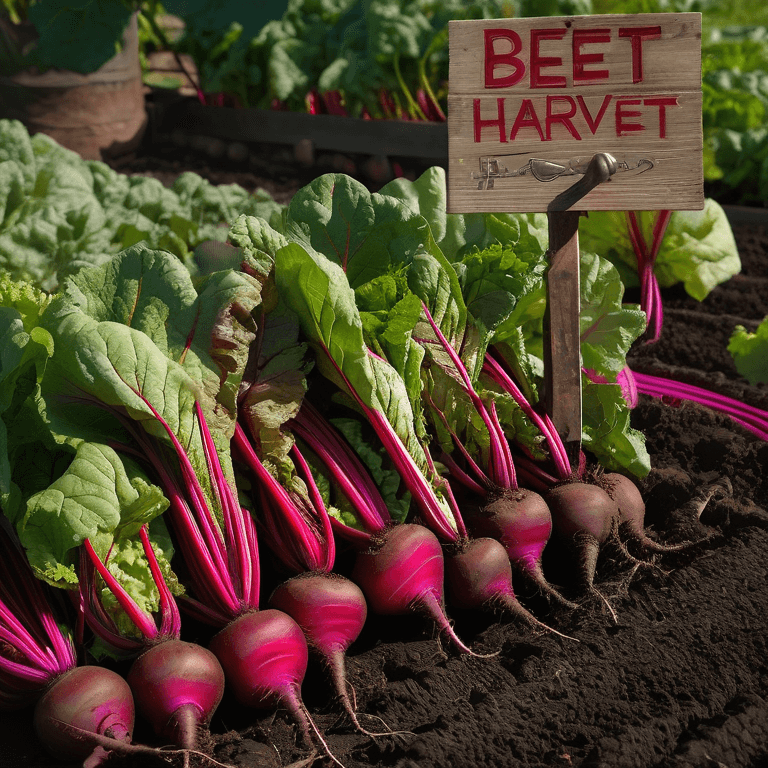
Year-Round Harvesting Beets Guide at Home
Key Highlights
- Beets are a versatile cool-season crop that can be harvested-round.
- Understanding the growth cycle of beets and the different varieties available is important for successful cultivation.
- Creating optimal conditions for growing beets, such as providing full sun and cool temperatures, is essential.
- Preparing the soil and making seasonal adjustments are key steps in maintaining a continuous harvest.
- Planting beets at the times throughout the year taking care of them each season is crucial.
- Companion planting with beets can improve growth and deter pests, creating healthier garden ecosystem.
Introduction
Beets, also known as "beetroots," are a versatile and flavorful vegetable that can be grown and harvested year-round. They are a cool-season crop that thrives in well-prepared soil and full sun. Beets not only provide tasty roots that can be used in various culinary dishes like salads and soups, but they also offer nutritious greens that are rich in vitamins and minerals. With their vibrant colors and distinct earthy flavor, beets are a favorite among gardeners and food enthusiasts alike.
Whether you are a beginner or an experienced gardener, this guide will provide you with all the information you need to successfully grow beets and enjoy a year-round harvest. From understanding the different varieties of beets and their growth cycle to creating optimal conditions for cultivation, we will walk you through the step-by-step process of cultivating beets at home. We will also explore planting techniques, seasonal adjustments, and companion planting strategies to ensure a continuous and bountiful harvest.
Get ready to dig in and discover the joys of growing your own delicious beets!
Understanding Beets and Their Growth Cycle
To successfully grow beets, it is essential to understand their growth cycle and the different parts of the plant. Beets belong to the Beta vulgaris species and are a biennial plant, meaning they complete their life cycle in two years. In the first year, beets focus on vegetative growth, developing their leaves and root system. The leaves, also known as beet greens, are edible and can be harvested throughout the growing season. In the second year, beets send up a flower stalk and produce seeds before completing their life cycle.
The Basics of Beet Varieties
Beets come in a wide variety of shapes, sizes, and colors. The heirloom variety, Detroit Dark Red, is a popular choice among gardeners for its deep red roots and delicious flavor. Other varieties include golden beets, which have a vibrant yellow color, and Chioggia beets, which have a unique striped pattern when sliced. There are also white beets and cylindrical beets that resemble carrots. By growing different varieties, you can enjoy a diverse range of flavors and colors in your beet harvest.
Optimal Conditions for Growing Beets Year-Round
Beets thrive in full sun, ideally receiving at least six hours of direct sunlight per day. They also prefer cool temperatures and can tolerate frost and near-freezing conditions. To create optimal conditions for growing beets year-round, choose a cool place in your garden that receives plenty of sunlight. Ensure that the daytime temperatures do not exceed 75°F (24°C) to prevent the beets from bolting, or maturing too quickly. By providing the right conditions, you can enjoy a continuous harvest of beets throughout the year.
Preparing Your Garden for Beets
Before planting beets, it is important to prepare your garden soil properly. Start by loosening the soil using a garden fork, removing any rocks or other obstacles that may impede the growth of the beetroots. Adding organic matter, such as compost, to the soil can improve its fertility and provide essential nutrients for the beets. Proper soil preparation sets the stage for healthy and productive beet plants.
Soil Preparation and Requirements
Beets prefer slightly acidic to neutral soil with a pH between 6.0 and 7.0. It is important to test your soil's pH levels and make any necessary adjustments before planting. Additionally, beets require sufficient nitrogen in the soil for their growth and development. Adding organic matter, such as compost or well-rotted manure, can help improve soil fertility and provide the necessary nutrients for the beets. Ensuring that the soil is well-drained is also important to prevent waterlogging, which can lead to rotting of the beet roots.
Seasonal Adjustments for Continuous Harvest
To maintain a continuous harvest of beets, it is important to make seasonal adjustments throughout the year. During the colder months, applying a layer of mulch around the beet plants can help protect them from frost and keep the soil temperature stable. In early spring, removing the mulch and providing additional nutrients through fertilization can promote healthy growth and encourage early harvest. By making these seasonal adjustments, you can ensure a steady supply of fresh beets throughout the year.
Planting Beets Through the Seasons
Beets can be planted at different times of the year to ensure a continuous harvest. In early summer, plant beet seeds as soon as the soil is workable. Make successive plantings every two to three weeks until mid-summer, as long as daytime temperatures do not exceed 75°F (24°C). For a fall harvest, sow beet seeds from mid-summer through early fall, about four to six weeks before the first fall frost. In regions with mild winters, beets can also be planted in late fall for a winter harvest.
Spring Planting Tips for Early Harvest
When planting beets in the spring, start with seedlings or transplants to ensure an early harvest. Plant the seedlings about two to four inches apart in rows that are 12 to 18 inches apart. Beets can be grown in succession with other early-season crops like spinach. As the beets grow, thin them to allow the remaining plants to reach their desired size. Regular watering and proper care will promote healthy growth and early harvest.
Summer Care to Avoid Bolting
During the summer months, it is important to provide adequate care for beet plants to prevent bolting. Bolting occurs when beets mature too quickly and send up flower stalks. To avoid bolting, water the plants regularly, ensuring that the soil is consistently moist but not waterlogged. Mulching can help retain moisture and regulate soil temperature. Additionally, providing shade during the hottest part of the day can help prevent stress and promote healthy growth. By taking these summer care measures, you can enjoy a longer harvest period and avoid the bitterness that can come with bolting.
Fall Planting for Winter Harvest
Fall planting allows for a winter harvest of beets. Plant beets in early to late fall, about four to six weeks before the first fall frost. Choose varieties that are suitable for storage, as they will keep well during the winter months. If you have a root cellar, you can store beets in boxes of dry sand or sawdust to keep them fresh. Beets can also be left in the ground and dug up as needed, especially in regions with mild winters. In addition to beets, fall planting is an ideal time to plant other leafy greens like Swiss chard, which can also be harvested throughout the winter.
Overwintering Beets for Early Spring Harvest
Overwintering beets involves leaving them in the ground during the winter months and harvesting them in early spring. Beets can withstand light frost and continue growing underground, allowing for early spring harvest. Overwintering can improve the flavor and texture of the beets, as the cold temperatures cause the sugars to concentrate. However, beets left in the ground for an extended period may become woody and lose their desirable qualities. To avoid this, it is important to monitor the beets and harvest them when they are at their best. Stored beets can also be used for early spring harvest, as they have a longer storage life and can be kept fresh until the warmer months.
Companion Planting With Beets
Companion planting involves growing different plants together to benefit each other. When it comes to beets, there are several companion plants that can help improve their growth and deter pests. Planting beets with kale, for example, can provide shade and protect the beets' roots while boosting the kale's growth. Additionally, planting beets with beneficial insects like ladybugs and lacewings can help control pests that may damage the beet crop. Companion planting creates a healthier garden ecosystem and can lead to stronger, more productive beet plants.
Best Companion Plants for Beets
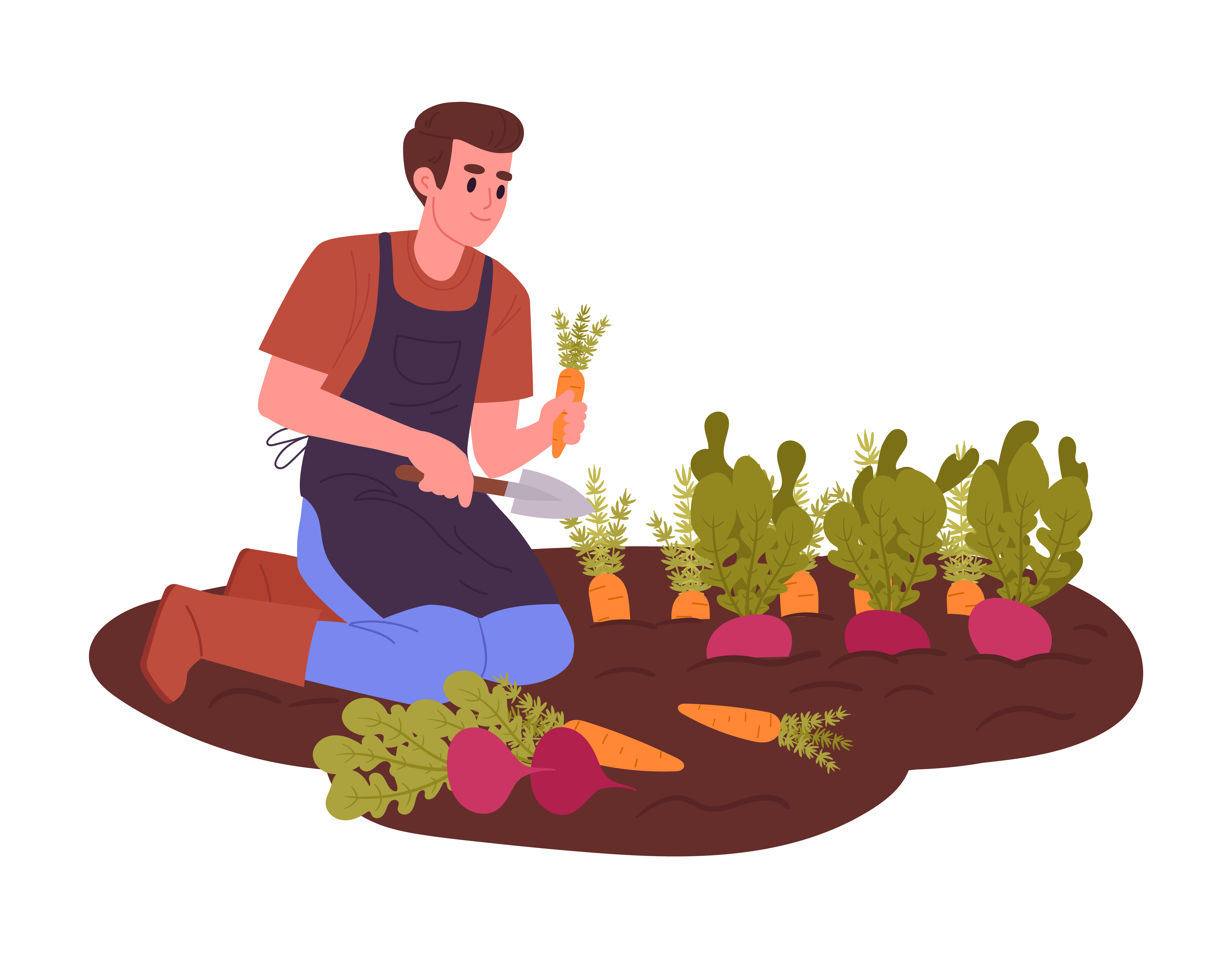
Some of the best companion plants for beets include kale, which provides shade and serves as a natural mulch, helping to retain moisture in the soil. Planting beets with compost can improve soil fertility and provide essential nutrients for their growth. Compost also helps retain moisture and regulates soil temperature. Beneficial insects like ladybugs and lacewings can be attracted to the garden by planting flowers that attract these insects. These beneficial insects can help control pests that may damage the beet crop. By choosing the right companion plants, you can create a thriving garden ecosystem and promote the health and productivity of your beet plants.
Plants to Avoid Near Beets
When growing beets, it is important to consider the plants that should be avoided in their vicinity. This is because certain plants can attract pests or be susceptible to the same diseases that affect beets. One of the pests that can cause problems for beets is the leaf miners. These pests can tunnel through the leaves of the plants, causing significant damage. Avoid planting beets near spinach or Swiss chard, as these plants are closely related to beets and can attract leaf miners. Crop rotation is also important to prevent the buildup of pests and diseases in the soil. Avoid planting beets in the same location where beets or other related plants were grown previously. Instead, rotate the crops to different areas of the garden each year to reduce the risk of pests and diseases.
Ongoing Care and Maintenance
To ensure a successful beet harvest throughout the year, ongoing care and maintenance are essential. Regular watering is important, especially during dry periods, to keep the soil moist and promote healthy root growth. It is also important to regularly check for and remove any weeds that may compete with the beets for nutrients and water. Additionally, be sure to harvest the beet greens regularly to encourage the growth of the root. Ongoing care also includes monitoring for any signs of pests or diseases and taking appropriate measures to control them.
Watering Techniques for Healthy Beets
Proper watering techniques are crucial for ensuring the health and vitality of beets. While beets require regular watering, it is important to strike a balance and avoid over-watering, as this can lead to root rot. Beets prefer consistent moisture levels, so it is important to water them regularly, especially during dry periods. One technique that can be used is to place perforated plastic bags filled with water near the plants. This allows for a slow and steady release of water, ensuring that the plants receive the right amount of moisture. Monitoring the relative humidity in the growing area can also help ensure that the beets receive the optimal growing conditions.
Fertilization and Nutrient Requirements
Fertilization is an important aspect of beet cultivation to ensure optimal growth and development. Beets have specific nutrient requirements that need to be met for healthy root growth. They require a balanced fertilizer that provides essential nutrients such as nitrogen, phosphorus, and potassium. These nutrients are crucial for the uptake and utilization of other essential nutrients by the beets. It is important to follow the recommended fertilization schedule and apply the fertilizer at the appropriate times. This will help promote healthy root development and overall crop health. Regular soil testing can also help determine the nutrient content of the soil and identify any deficiencies that need to be addressed through fertilization.
Pest and Disease Management
Effective pest and disease management are crucial for maintaining the health and productivity of beet crops. Implementing pest management strategies such as regular monitoring and the use of organic controls can help prevent and control common beet pests. For example, leaf miners and beetles can be controlled by using row covers or applying organic pesticides. Disease management involves preventing and treating common diseases such as cercospora leaf spot. This can be achieved through crop rotation, proper sanitation practices, and the use of disease-resistant beet varieties. Regular monitoring and early intervention are key to effectively managing pests and diseases in beets.
Common Beet Pests and Organic Controls
Beets can be susceptible to certain pests that can cause damage to the plants and reduce crop yields. Two common beet pests are leaf miners and beetles. Leaf miners are small insects that burrow through the leaves, leaving visible tunnels and causing damage to the foliage. To control leaf miners, organic controls such as floating row covers can be used to physically prevent them from reaching the plants. Beetles, such as the cucumber beetle, can also be a problem for beets. Organic pesticide options, such as neem oil or insecticidal soap, can be used to control beetle populations. Regular monitoring of the plants is essential to detect any pest infestations early and take appropriate action to prevent further damage.
Preventing and Treating Diseases in Beets
Diseases can affect the health and productivity of beet crops. One common disease that affects beets is cercospora leaf spot, which is caused by a fungus. This disease can cause small brown spots with red-purple halos on the leaves, which can enlarge and turn gray over time. To prevent cercospora leaf spot, it is important to practice good crop health by providing appropriate cultural conditions, such as proper spacing and adequate air circulation. Disease-resistant beet varieties can also be planted to reduce the risk of infection. If the disease is present, prompt treatment with organic fungicides or the removal of infected plants can help manage the disease and prevent further spread.
Harvesting Beets Throughout the Year
Harvesting beets throughout the year allows for a continuous supply of fresh beets for culinary use. Beets can be harvested when they reach the desired size, typically around the size of a golf ball. Smaller beets, known as baby beets, can be harvested earlier to enjoy their tender texture and delicate flavor. It is important to gently lift the beets from the soil to avoid damaging the roots. Harvesting beets regularly promotes further root growth and ensures a continuous harvest throughout the year.
Signs Your Beets Are Ready to Harvest
Determining when beets are ready to harvest can be done by observing certain signs. When beets reach the size of a golf ball, they are usually ready for harvest. However, the size can vary depending on personal preference and the desired use of the beets. Another indication of readiness is the condition of the beet greens. If they are lush and healthy, it is a sign that the beets are mature and ready to be harvested. It is important to harvest the beets before they become overgrown, as larger beets can develop a tough and woody texture. Regularly checking on the beets and monitoring their growth will help ensure a timely and successful harvest.
Techniques for Harvesting Beets Without Damaging Plants
Harvesting beets without causing damage to the plants requires proper technique and the right tools. A garden fork is a useful tool for gently loosening the soil around the beets before lifting them out. Care should be taken to avoid damaging the roots or greens of neighboring beets during the harvesting process. When lifting the beets, it is important to grasp the greens near the base of the plant and gently pull to remove the entire beet from the soil. If any resistance is felt, gently loosen the soil around the beet with the garden fork before attempting to remove it. Proper harvesting technique will help ensure the integrity of the root crop and minimize damage to the plants.
Conclusion
In conclusion, mastering the art of year-round beet harvesting opens up a world of fresh produce right in your own backyard. Understanding the growth cycle, optimal growing conditions, and ongoing care are key to a bountiful harvest. From planting through the seasons to pest management and companion planting, every step plays a crucial role in ensuring healthy, thriving beets. Keep an eye out for signs of readiness and employ gentle harvesting techniques to preserve plant health. With this comprehensive guide, you'll soon be enjoying a continuous supply of homegrown beets, straight from your garden to your plate. Happy harvesting!
Frequently Asked Questions
Can beets be grown in containers year-round?
Yes, beets can be grown in containers year-round. Choose a container with good drainage and a depth of at least 8 inches to accommodate the growth of the beets' roots. Beets can be planted in containers for baby beets or allowed to mature for fresh beets. Balcony gardening is a great way to grow beets in small spaces. Selecting heirloom beet seeds can provide a variety of unique and flavorful beets for your container garden.