Steps to Generate Hydroelectric Power
Hydroelectric power, also known as hydropower, is a renewable source of energy that has been used for centuries. This clean and sustainable energy source harnesses the power of moving water to generate electricity. In this blog, we will explore the process of hydroelectric power generation, the science behind it, its environmental and societal impact, recent innovations, successful hydroelectric power projects, and its potential as a solution to energy problems.
Understanding the Basics of Hydroelectric Power
Hydroelectric power is derived from the mechanical energy of moving water. It involves the conversion of water's potential energy into electricity. The power plant uses turbines to generate electrical energy. It's a key contributor to renewable electricity generation, providing a reliable and renewable source of electricity. Large dams are often used as the source of water for hydroelectricity, allowing for the control and storage of water flow for power generation.
What is Hydroelectric Power?
Hydroelectric power, also known as hydropower, is the generation of electrical power through the use of moving water. It is a renewable source of energy, as water flow and potential energy are continuously replenished by the water cycle. By harnessing the kinetic energy of moving water, hydroelectric power plants convert mechanical energy into electrical energy. This renewable source of electricity generation plays a crucial role in reducing reliance on fossil fuels and meeting the increasing demand for electricity worldwide.
Hydropower facilities, such as hydroelectric dams, utilize the power of water to generate electricity on a large scale. The force of the moving water turns the blades of a turbine, which is connected to a generator. This mechanical energy is then converted into electrical energy, which can be transmitted and distributed through power grids for consumption.
The Role of Water in Generating Electricity
Water plays a vital role in the generation of electricity through hydropower. Moving water possesses kinetic energy, which can be harnessed to produce mechanical energy. The water cycle, consisting of evaporation, condensation, and precipitation, ensures the continuous flow of water, making it an ideal renewable energy source.
In the process of hydroelectric power generation, the potential energy of water at an elevation is used to turn a water wheel or turbine. As the water flows from a higher reservoir, the gravitational potential energy is converted into mechanical energy. The turbine blades, driven by the force of the moving water, rotate and transfer this mechanical energy to a generator, which produces electrical power.
The Science Behind Hydroelectric Power Generation
The hydroelectric power plant transforms the potential energy of water into electric power. It operates by utilizing the force of a water source from a higher reservoir released through a dam wall, turning turbines in a similar way to windmills operating under the influence of wind. This movement is then converted into electricity, which serves as a significant source of electricity worldwide. The volume of the water flow and the height from which it falls determine the number of kilowatts produced.
The Water Cycle and Hydroelectricity
Harnessing the natural power of the water cycle is vital in the generation of hydroelectricity. As water flows from the upper reservoir to the lower reservoir, it carries substantial energy that can be converted into electric power. This process occurs in a sustainable and renewable way, ensuring continuous electricity production. The water cycle's flow is directed through the turbine, transforming its energy into a source of electricity, without depleting natural resources.
The Conversion of Moving Water to Electricity
Converting the kinetic energy of moving water into mechanical energy is crucial in generating electric power. This mechanical energy is then converted into electricity using generators. The potential energy of water at a higher reservoir elevation plays a pivotal role in this process. The demand for electric power is what drives the conversion of moving water to electricity. Conventional hydroelectric power plants utilize the kinetic energy of moving water in a similar way to generate electricity.
The Process of Hydroelectric Power Generation
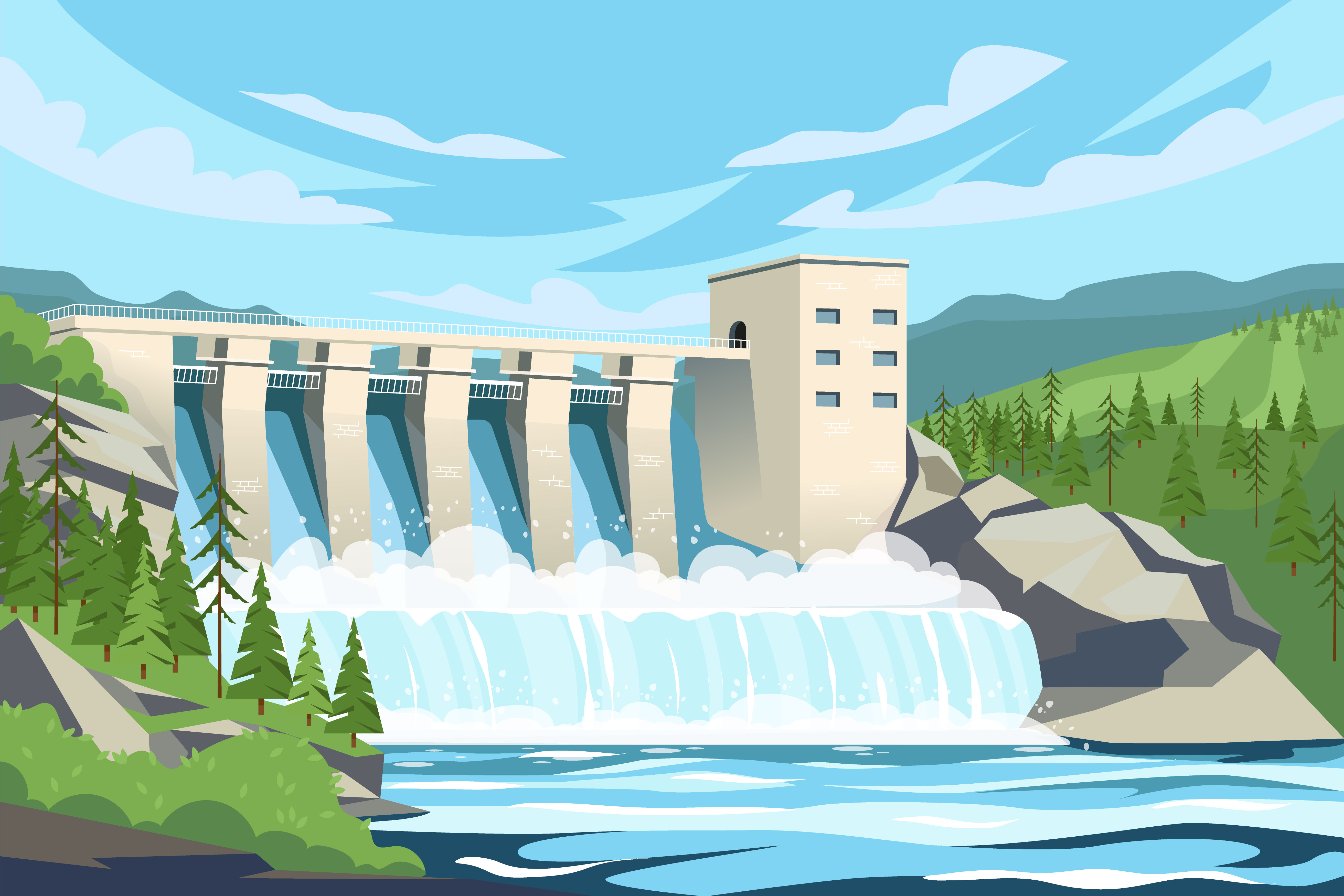
Generating electricity using hydroelectric power involves harnessing the kinetic energy of flowing water. A hydroelectric power plant typically consists of a dam wall, which creates a higher reservoir and a lower reservoir. Water from the higher reservoir flows down through turbines, causing them to spin and generate electric power in a process similar way to wind turbines. The moving water is the source of electricity, and its volume flow determines the power output in kilowatts. The generated electric power is then transmitted through conductors and transformers to homes and businesses.
Step-by-Step Guide to Generate Hydroelectric Power
To generate hydroelectric power, water released from the upper reservoir flows down and passes through a turbine, where its kinetic energy is converted into mechanical energy. This mechanical energy then drives a generator, producing electrical power. Any excess electricity generated is stored in the lower reservoir for grid supply. The entire process ensures renewable energy and is integral to the functioning of a hydroelectric power plant. This sustainable approach leverages the natural water source in a similar way to harness the potential of solar energy, contributing kilowatts of electric power to the grid.
Requirements for Hydroelectric Power Generation
To generate hydroelectric power, the presence of a large body of water is essential, along with elevation differences for potential energy harnessing. Additionally, a hydroelectric power plant, water flow, and turbine are prerequisites for electricity generation, requiring grid connectivity for supply. Moreover, a reliable source of water is crucial for the sustainability of hydroelectric power generation. These requirements work in a similar way across various hydroelectric power plants, ensuring a steady source of electricity and contributing to sustainable energy production.
Environmental and Societal Impact of Hydroelectric Power
Hydroelectric power plants have a significant impact on the environment and society. The construction of dams and reservoirs for hydroelectric power alters the natural flow of water, affecting aquatic ecosystems and potentially displacing communities. However, hydroelectric power provides a renewable source of electricity, reducing the reliance on non-renewable resources such as fossil fuels. It operates in a similar way to solar energy, harnessing natural elements to generate power. The volume of the water flow determines the amount of electricity produced, and advancements in technology continue to improve the efficiency of hydroelectric power generation.
Pros and Cons of Hydroelectric Power
Hydroelectric power, as a renewable source of electric power, significantly reduces the carbon footprint compared to fossil fuels. However, hydropower facilities can impact water quality, and the reservoirs of hydroelectric dams can alter local ecosystems. Despite these drawbacks, it plays a significant role in meeting electricity demand, particularly in rural areas. These factors must be carefully considered when harnessing this valuable source of electricity.
How Does Hydroelectric Power Affect Society?
Hydroelectric power plays a crucial role in society by providing electricity to local communities and contributing to economic development in rural areas. However, it can also lead to the displacement of communities. Despite the challenges, hydroelectricity offers renewable electricity generation with low operating costs, contributing to grid stability and energy security.
Innovations in Hydroelectric Power Generation
Recent developments in hydroelectric power technology have revolutionized the way we harness electric power from water sources. Hydroelectric power plants now use innovative methods to increase efficiency and sustainability. For instance, higher reservoirs are being used to store water in a similar way to batteries, allowing for consistent electricity generation even when water flow is minimal. Cutting-edge technologies also focus on minimizing environmental impact, making hydroelectricity a cleaner source of electricity compared to fossil fuels. These innovations point towards a promising future for hydroelectric power as a sustainable alternative to solar energy and other conventional sources.
Recent Developments in Hydroelectric Power Technology
Recent advancements in hydroelectric power technology have led to the development of new turbine designs, improving the conversion of water flow into electric power generation. Furthermore, automation and digitalization have optimized hydropower plant operations for increased efficiency. Innovations in penstock and generator systems have also played a crucial role in enhancing the overall efficiency of hydroelectric power plants. Ongoing research on small stream and run-of-river hydroelectric projects continues to expand the application of this renewable energy source, while the integration of renewable energy storage systems is further revolutionizing the industry.
The Future of Hydroelectric Power
The evolution of hydroelectric power towards sustainable and environmentally friendly solutions is evident in ongoing advancements. Research is dedicated to optimizing electricity generation from water resources, while also minimizing environmental impact. Future developments include integrating hydroelectricity into smart grids and exploring the potential of small hydroelectric projects for local communities. These efforts mark a shift towards eco-conscious practices in hydroelectric power generation, reflecting the industry's commitment to sustainable energy solutions.
Case Study: Successful Hydroelectric Power Projects
Examining productive hydroelectric power projects globally
Lessons drawn from effective hydroelectric power projects
Examining Successful Hydroelectric Power Projects Worldwide
Successful hydroelectric power projects, such as large dams, effectively meet the global demand for electricity. They play a crucial role in providing renewable electric power across different regions and ecosystems. Case studies of these projects analyze the potential of hydroelectricity in various environments, showcasing its scalability. Moreover, they also shed light on the significant social and economic impacts of global hydropower initiatives. These successful projects serve as prime examples of harnessing the potential of water sources to generate electricity and are essential for meeting the increasing demand for renewable energy.
Lessons from Successful Hydroelectric Power Projects
Successful hydroelectric power projects contribute to the energy transition by generating electricity through water flow and potential energy conversion. They balance the environmental impact of reservoirs and electricity generation, promoting the sustainability of hydropower facilities in local communities. These projects mitigate the challenges of hydropower while maximizing benefits, ensuring a positive impact. By optimizing the use of water sources, higher reservoir, and dam wall in a similar way, successful hydroelectric power plants become a reliable source of electricity, contributing significantly to the energy transition.
Could Hydroelectric Power be the Answer to Energy Problems?
Exploring the potential of hydroelectric power as a solution to energy problems. Assessing its role in reducing reliance on non-renewable sources and its feasibility in the energy mix. Examining the scalability and future of hydroelectric power for sustainable energy.
Conclusion
In conclusion, hydroelectric power is a sustainable and renewable energy source that harnesses the power of moving water to generate electricity. It plays a crucial role in reducing greenhouse gas emissions and mitigating climate change. By understanding the basics of hydroelectric power and following the step-by-step guide provided, you can contribute to the generation of clean energy. However, it is important to consider the environmental and societal impacts of hydroelectric power, weighing the pros and cons before implementing large-scale projects. With advancements in technology and ongoing innovations in hydroelectric power generation, we can expect a promising future for this renewable energy source. Together, we can explore the potential of hydroelectric power to address our energy needs and create a sustainable future.