Key Highlights
- A wood stove can give good heating. It works best when you match the stove to your room size and how much wood fuel you use.
- Some people pick traditional models. Others use pellet stoves, boiler stoves, or a multifuel stove. Each one gives something different for the home.
- Cast iron holds heat for a longer time. Steel stoves give faster heat output and feel warm quickly.
- A good installation is as important as which stove you choose. The stove pipe, chimney, and ventilation need to be set up right.
- Modern stoves can make heat better. Still, you should keep them clean and use dry firewood to get better heat retention, safety, and performance.
Introduction
Choosing the right wood stove can change the feel of your home in winter. It gives you more than just a fireplace look. The stove is also a good heating appliance that can warm a room well if you use it the right way. But not every stove is right for every space or for how people live. The material, size, fuel type, airflow, and where you put the stove all matter. If you want clear help before you buy, this guide will help you look at the options and feel sure about the choice you make.
Exploring Wood Stove Types for UK Homes
If you want to know what types of wood stoves you can get, the answer comes down to how each stove burns the type of fuel. Some stoves are built just for logs. Others can use more than one type of fuel. That choice changes how you use the stove each day, how you manage heat, and how you take care of it.
You will also see boiler stoves, pellet stoves, and a multifuel stove in many product ranges. Each one works well in a different home. The next two sections show the main differences. This helps you choose the best one for your heating needs.
Traditional Wood-Burning Stoves
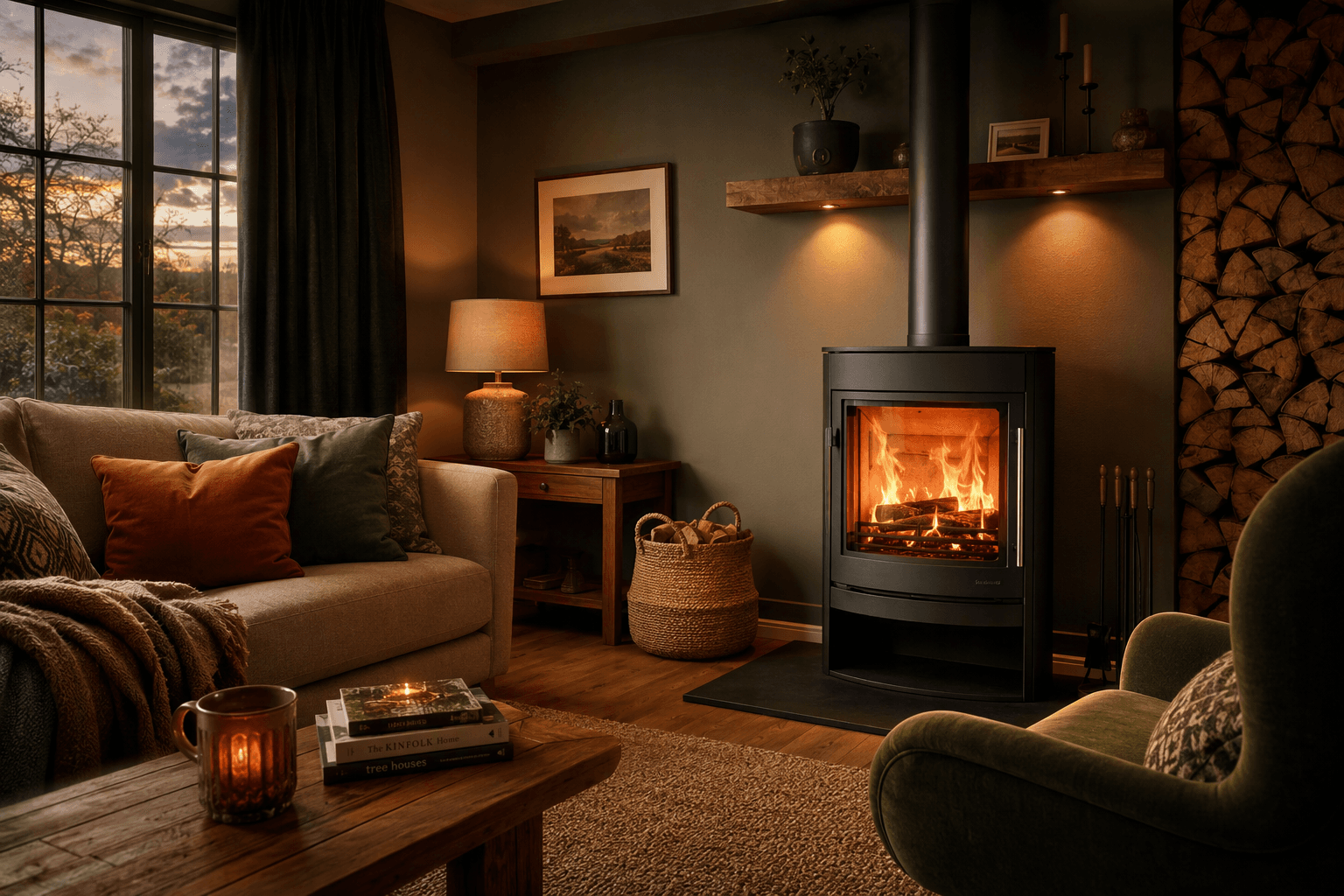
For many homeowners, the first thing they think of is a classic wood burner. It uses firewood as the main wood fuel. You will see that the fire burns in a closed metal firebox. It is often made from cast iron or steel. Smoke goes out through a flue and a chimney. This style is made to burn wood fuel only.
What people like about these models is their timeless appeal. A stove with traditional styling can fit well in older homes, cottages, or rooms. You may want the feel and look of a fire without using an open fireplace. Some designs have glass doors, so you can see the fire and stay safe.
In daily life, how well it works depends on dry logs, the way the airflow moves, and how you use it. Wet wood makes the firebox cooler. It can also cause more buildup in the flue. If you want an option that feels easy and like what you know, this is the best place to begin.
Multi-Fuel and Pellet Stoves
Not every stove burns just logs. A multifuel stove can burn more than one solid fuel. This can be wood fuel, pellets, coal, or peat. It depends on the kind of stove you get. A multifuel stove gives you more options in what fuel to use during the year. This means you have more control over your heating.
In recent years, people have noticed pellet stoves more. These stoves control how much fuel and air go in. Many use a feed system to help them burn better. Boiler stoves do more by heating water along with your living space. Some of these stoves can connect to radiators or give you hot water for your home.
Common options include:
- A multifuel stove is good for homes that want to use more than one solid fuel.
- Pellet stoves help control the heat better and keep the air clean as they burn.
- Boiler stoves give both space heating and hot water.
- Wood-only units are simple to use, burning logs straight.
Cast Iron vs Steel Wood Stoves
One of the biggest things to look at when buying is the material. The main ways cast iron and steel wood stoves are not the same are in how they handle heat, how they are put together, and how they look. Cast iron is shaped in parts and is known for having good craftsmanship and a classic style. A steel wood stove is built from welded steel plates and often has a simpler shape.
For many people buying a stove, they need to pick between a fast response or slower heat that lasts. The cast iron stove has timeless appeal. A modern stove made from steel fits well in a clean and simple home. The next parts show how the two work and how to take care of them.
Durability and Heat Efficiency
Here is the basic tradeoff. A cast iron stove needs more time to get hot, but it can hold heat for a long time, even after the fire goes down. This is good if you want heat retention that lasts through the day or night, so the room stays warm. A steel stove will heat up a room faster, so you get comfort quick when you need it.
Durability changes too. Cast iron may crack if there is quick stress or a hard hit. Still, it can last for many years if you take care of it. Steel does not usually crack like cast iron because it bends more easily. But steel can rust if its protective coat wears off. Heat output is more than just the material, like cast iron or steel. The way the stove is made and how you use it is also important.
Feature | Cast Iron Stove | Steel Stove |
|---|
Warm-up time | Slower to reach temperature | Faster to heat up |
Heat retention | Holds heat longer | Cools faster after the fire fades |
Durability concern | Can crack under stress | More prone to corrosion if finish fails |
Best fit | Long, even heating | Quick room warming |
Appearance and Maintenance Considerations
How something looks is often what helps people decide. A cast iron wood stove has more detail and its legs are shaped. It also has shiny enamel finishes. This is good for older rooms and homes that feel old. Steel stoves look plain, with lines that are straight. They have a modern feel.
Maintenance is not the same for every stove. Cast iron models need you to check their joints and seals over time. Steel stoves have fewer seams, so the there are less places for air to leak. No matter which you have, the internal components like baffles and firebricks should be looked at as the stove gets older.
Keep these points in mind:
- Regular maintenance means you should check the gaskets, seals, and ash buildup.
- The enamel on cast iron can chip if you hit it.
- Steel stoves may need touch-up paint so they do not get rust.
- Worn internal components can change efficiency and safe airflow.
Essential Features to Look for When Buying a Wood Stove
When choosing a wood stove, look at features that help with everyday heating. A good appliance should fit your room so it works well. The stove needs to give safe airflow and use fuel in a good way. Build quality is also key. You want something durable that lasts through many heating cycles for years.
It is a good idea to check how you will use the stove. Will it be your main heater or just something you use now and then if you need backup? Do you want quick heat or want it to stay warm for a longer time? The next parts talk about the two features most people need to think about first.
Size and Heating Capacity
To pick the best wood stove size for your place, you should begin with how much heating you need. A stove that is too small may not work well in colder climates. A stove that is too big can let out too much heat in the room. It can also lead to bad burning habits if you keep slowing it down.
Think about if the stove will be the main heat source or just help another system. The way a room is built, how much insulation it has, and how often you use the stove will change what you need. A big open space needs a different heat output compared to a small room that is closed off.
Use this checklist:
- Pick a stove size that fits the room, not just the style you want.
- Ask if it will be your main heat source.
- Think about local weather and if you are in colder climates.
- Look at the heat output listed for the model before you buy.
Eco-Friendly Design and Air Quality Controls
Many buyers want to know if wood stoves are good for the environment when compared to other heating choices. The answer depends on the way they are made and how people use them. Modern wood stoves do a better job than older kinds. They burn leftover gases in a better way, so they improve efficiency and look to lower smoke.
That is why eco-friendly design is important. Some stoves use catalytic or non-catalytic ways for burning wood. The Environmental Protection Agency in the United States has set rules that require lower emissions for many wood-burning appliances. Still, good performance depends on burning wood the right way and using dry wood.
Air quality depends on the full setup, not only the stove. Good ventilation, a proper flue, and controlled airflow help your stove burn hotter and clean. If you want better air, do not use wet logs. Try to keep the fire running the right way. A newer stove made for less smoke is also a good choice.
Installation, Regulations, and Costs in the UK
Putting in a stove is not just about setting it down in a room. The stove pipe, chimney, air supply, and how much space you keep around the stove all matter. These things help keep you safe and make the stove work well. If any of these parts are not right, you can have trouble with smoke, burning wood, or getting heat with the stove.
Many buyers want to know about the price and legal steps. The information you get does not give set costs for installing. But it shows one important thing. The UK has rules that you have to follow. You must pay attention to building rules, smoke control area limits, and safe ventilation needs before starting work.
Professional Installation vs DIY & Legal Permissions
Can you do installation as a DIY project? The source material says it’s best to get a professional. This is because the flue steps, ventilation, and safety are very important. A bad fit may cause smoke issues. It may make the draft weak. It can even let carbon monoxide get into the home.
Legal permissions are important. In the UK, when you install a solid fuel appliance, you must follow Building Regulations Approved Document J. This is about air supply for the appliance. If you live in a smoke control area, you need to use an exempt appliance or an authorized fuel. These rules must be followed.
Keep these requirements in mind:
- The,be,have,a professional do it to get safer installation. A professional will also get the venting right.
- Check the legal permissions. Look into rules if you are in a local smoke control area.
- Put in carbon monoxide detectors when recommended.
- The chimney and stove system should be cleaned and kept up.
Conclusion
To sum up, picking the best wood stove for your home takes some thought. You have to look at things like the stove type, what it is made of, and the key features and steps for putting it in. Knowing the differences between traditional wood-burning stoves, multi-fuel stoves, and pellet stoves can help you choose the right one. Be sure to keep eco-friendliness and heating efficiency in mind. This way, you will have a warm and safe place for yourself and your family. If you feel ready to get a wood stove or want help with any part of your buying process, feel free to ask for expert help. Enjoy shopping for your new stove!