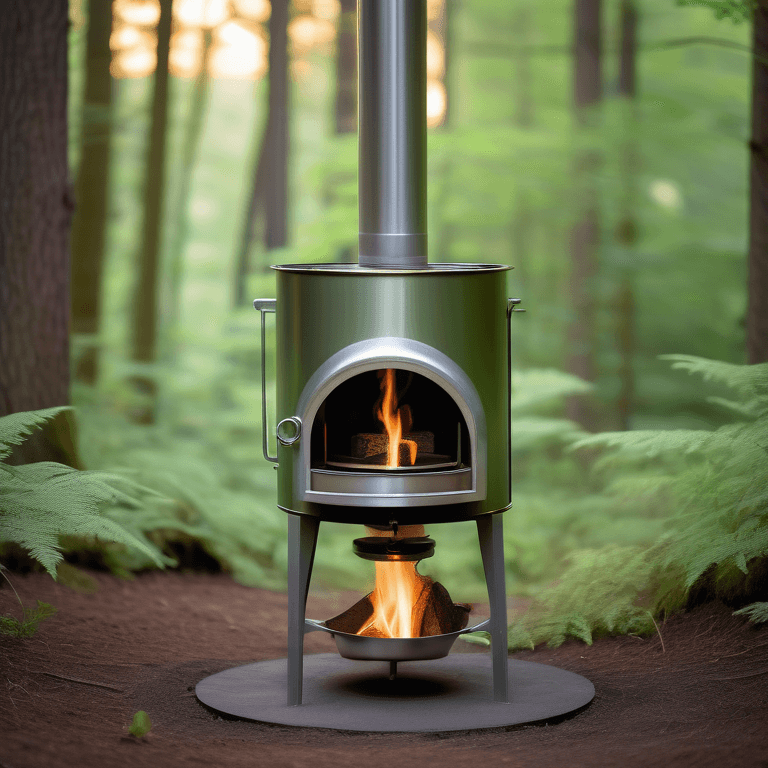
Rocket Stove Dimensions for Efficient Cooking
Key Highlights
- Rocket stoves are highly efficient and burn wood more effectively than traditional stoves
- They are versatile and can be used for cooking, heating, and water heating
- Rocket stoves produce very little smoke, making them better for the environment and the health of users
- The size of a rocket stove can vary, from mini stoves for camping to larger stoves for industrial kitchens
- Rocket stoves can be built using common materials and are cost-effective
- Understanding the key dimensions of a rocket stove is essential for maximum efficiency
Introduction
Rocket stoves are a unique and efficient way of cooking food, heating homes, and even heating water. Unlike traditional stoves, rocket stoves burn wood at a high temperature and with almost complete combustion, resulting in minimal smoke and maximum heat production. This makes rocket stoves not only better for the environment but also more efficient than their conventional counterparts.
Rocket stoves are incredibly versatile and can be used for various purposes. They are commonly used for outdoor cooking and camping, as they can efficiently burn small twigs and produce consistent heat. However, rocket stoves also have their place in industrial kitchens, where their high efficiency is valued for economic reasons. In addition, rocket stoves can be used for heating homes and even heating water, making them a multifunctional and cost-effective solution.
In this blog, we will explore the dimensions and key factors to consider when building a rocket stove for maximum efficiency. By understanding the principles behind rocket stoves and the significance of size, you can build a stove that meets your specific needs and ensures optimal performance.
Understanding Rocket Stoves and Their Efficiency
Rocket stoves are named after their unique design and combustion process. They consist of a combustion chamber, where the fuel burns, and a vertical chimney known as the heat riser. The heat riser is insulated, allowing almost all of the heat to move upward. This vertical chimney is tall enough to ensure that the fuel fully combusts before the flames reach the cooking surface, resulting in efficient and clean combustion.
The key to the efficiency of rocket stoves lies in their combustion process. When wood is burned in a rocket stove, volatile compounds are released, which are then sucked into the burn tunnel. The burn tunnel is where the combustion takes place, creating a jet of fire and contributing to the roaring sound that rocket stoves are known for. The combination of complete combustion and efficient air flow results in high heat production and minimal smoke.
The air supply plays a crucial role in the efficiency of a rocket stove. The combustion chamber of the stove is designed to allow for optimal air flow, ensuring that the wood burns at a high temperature and with maximum efficiency. This efficient combustion process is what sets rocket stoves apart from traditional stoves and makes them a superior choice for cooking and heating.
The Principle Behind Rocket Stoves
The principle behind rocket stoves is based on the concept of efficient combustion. The wood fuel is placed in the feed tube of the stove, where it begins to burn. The heat produced travels through the burn tunnel, which is designed to ensure complete combustion. This combustion process creates a strong suction effect, pulling the flames into the burn tunnel and creating a jet of fire. The flames then rise through the heat riser, where the heat is transferred to the cooking surface or the desired area.
The efficient combustion in rocket stoves is achieved through the proper design of the combustion chamber and the heat riser. The air supply plays a crucial role in maintaining the high temperature needed for efficient combustion. It is important to ensure that there is enough air flow to support the burning process and that the design of the stove allows for proper combustion and heat transfer.
Why Size Matters for Maximum Efficiency
The size of a rocket stove is an important factor to consider when aiming for maximum efficiency. The dimensions of the combustion chamber, the feed tube, and the heat riser all play a role in determining how efficiently the stove will burn wood and produce heat. Here are some key points to consider:
- The diameter of the combustion chamber should be large enough to allow for efficient burning of the wood fuel.
- The size of the feed tube and the air intake should be appropriate to ensure proper air flow and combustion.
- The design of the stove should allow for easy access to the wood fuel and efficient transfer of heat.
- The dimensions of the stove should be suitable for the intended use, whether it is for camping, cooking, or heating.
By carefully considering the size of the rocket stove and its components, you can ensure that the stove operates at its maximum efficiency and provides optimal heat production.
Key Dimensions for Building a Rocket Stove
Building a rocket stove requires careful consideration of key dimensions to ensure maximum efficiency. The ideal height and diameter of the combustion chamber, as well as the length of the fuel magazine, play a crucial role in the performance of the stove. By understanding and implementing these dimensions, you can build a rocket stove that efficiently burns wood and produces consistent heat.
Ideal Height and Diameter for the Combustion Chamber
The height and diameter of the combustion chamber are important dimensions to consider when building a rocket stove. The ideal height allows for efficient combustion of the wood fuel, while the diameter determines the air flow and the amount of heat produced. Here are some key considerations:
- The height of the combustion chamber should be sufficient to ensure complete combustion of the wood before the flames reach the cooking surface.
- The diameter of the combustion chamber should be appropriate to allow for efficient air flow, ensuring that the wood burns at a high temperature.
- The design of the combustion chamber should allow for easy access to the wood fuel and proper ventilation.
By carefully considering the height and diameter of the combustion chamber, you can ensure that the rocket stove efficiently burns wood, produces consistent heat, and minimizes the production of smoke and soot.
The Significance of the Fuel Magazine Length
The length of the fuel magazine, which includes the feed tube and the burn tunnel, is an important dimension to consider when building a rocket stove. This dimension determines the amount of wood fuel that can be loaded into the stove and the length of time the stove can burn without refueling. Here is a comparison table of different fuel magazine lengths and their burn time:
Fuel Magazine Length | Burn Time |
Short | 1-2 hours |
Medium | 3-4 hours |
Long | 5-6 hours |
By choosing the appropriate length for the fuel magazine, you can ensure that the rocket stove provides the desired burn time and meets your specific needs.
Conclusion
Rocket stoves offer an eco-friendly solution for efficient cooking. Understanding the principles behind their design is key to maximizing their efficiency. By focusing on key dimensions such as the height, diameter of the combustion chamber, and fuel magazine length, you can ensure optimal performance. Constructing a rocket stove with the right materials can enhance its longevity and effectiveness. Whether you're a camping enthusiast or looking for sustainable cooking methods, implementing these dimensions will elevate your cooking experience.
Frequently Asked Questions
What Materials Are Best for Constructing a Rocket Stove?
Rocket stoves can be constructed using a variety of materials, but stainless steel is often preferred for its durability and heat resistance. Other materials commonly used include cast iron, ceramic, and refractory materials. When building a rocket stove, it is important to consider the intended use, such as a camping stove or a cooking stove, and choose materials accordingly. Accessories such as grates and thermometers can also enhance the functionality and performance of the stove.